Sentimental Value
Films that understand the power of a big beautiful old house and its function in storytelling have always appealed to my nostalgia for a richer design period than the one we’re in now. It’s probably why I love Coraline and Practical Magic and Knives Out so much and I’ve tracked its origin back to my grandfathers.
My maternal one, Stan (or ‘Grandad’), made my little sister and I the most kickass doll’s house when we were little and filled it with gorgeous miniature wooden furniture that evoked the 60s (the era when he entered parenthood). He based the mini beds and the mini tables and the mini buffets on his own furniture, making the house something of a simulacra for our playtime.
My paternal one, Charles (or ‘Pop’), owned a sprawling one storey dream house on six acres in Banjup, the setting for many Christmases, pool parties, sleepovers and rollerblading on the U-shaped verandah that surrounded the house. It even had a name – Kala – and I rue the Perth property market for inflating to the point that I’ll never be able to afford to buy her back someday.
I never clocked it before but I think the reason I love big beautiful old houses is not solely for their aesthetic appeal and the fact that they just made things (houses, furniture, childhoods) better ‘back then’ but because they’ve seen things and they hold secrets. If these walls could talk, they wouldn’t. They’re trustworthy.
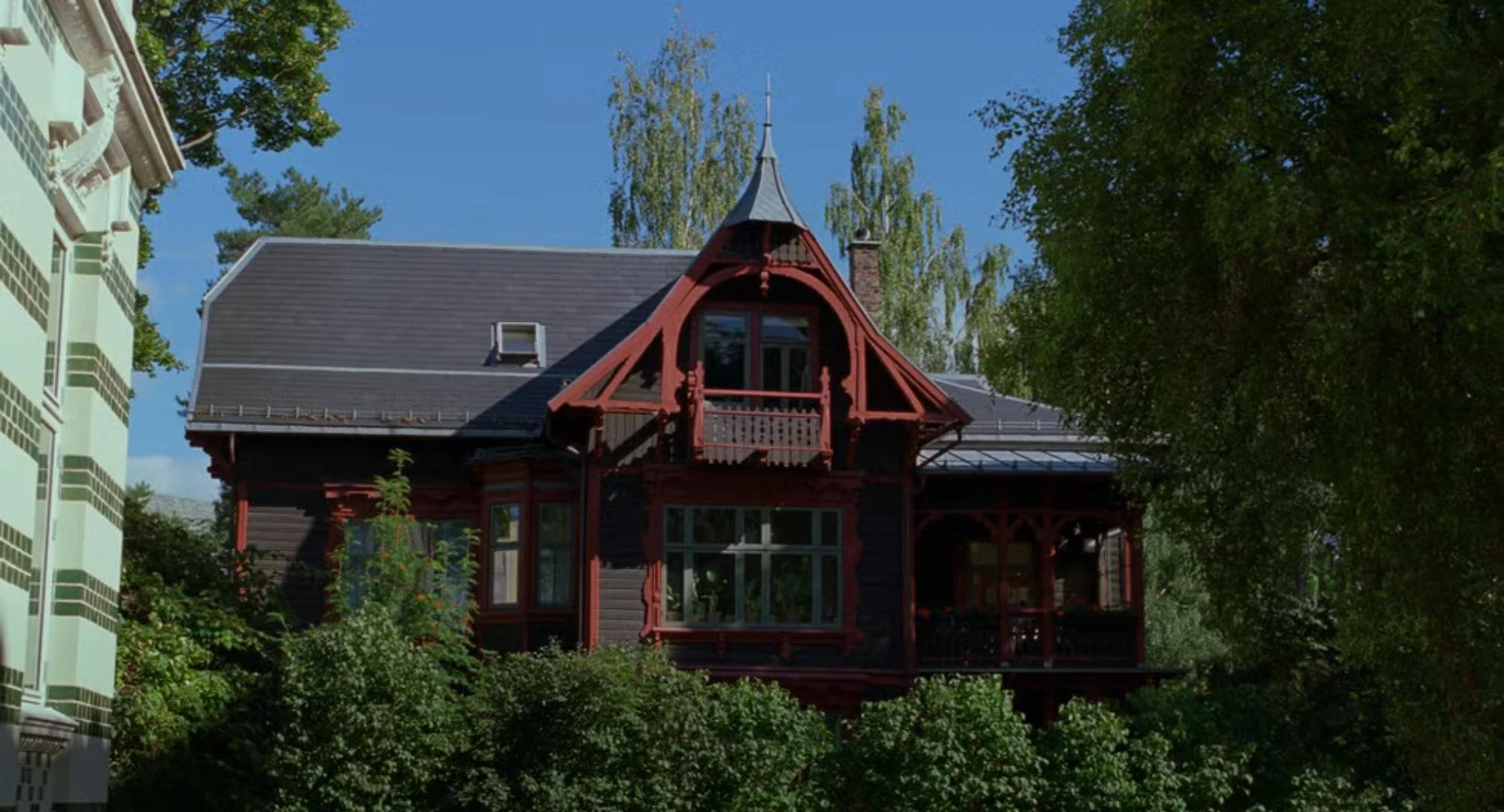
This is all an extremely long-winded way of providing context as to why I’ve fallen immediately and completely in love with Sentimental Value, the new film from Joachim Trier that provided me with yet another aspirational cinematic property to add to my vision board: a dragestil (‘dragon style’) family home with a gabled roof, dark timber and red trim.
This marvel of Viking architecture is its own important character in a film about inheritance, memory and how the art of observation isn’t always in sync with the art of being a good parent, and it’s the first character we meet in the film’s opening scene.
We’re introduced to the house through Nora, a child narrating an essay she’s written for school in which she must write from another perspective. So she personifies the house and wonders what it thought of her psychotherapist mother’s conversations with her patients, and if their confessions lie in its walls. Did it feel lonely when the kids went to school? Or relieved to get some peace? Did it prefer the family’s noise – the fights between her mother and father – or the silence that fell once the divorce was finalised and her father Gustav (Stellan Skarsgård) left them all to pursue a career as a director?
We learn about some of the house’s secrets, like a fireplace that functions as a speaker for eavesdropping on kitchen conversations – perfect for listening in on their parents’ fights. And we notice the giant crack that runs through its foundations, perhaps a structural defect or perhaps due to the weight of the trauma that has been passed down in the Borg family through each generation from the 30s to present day.
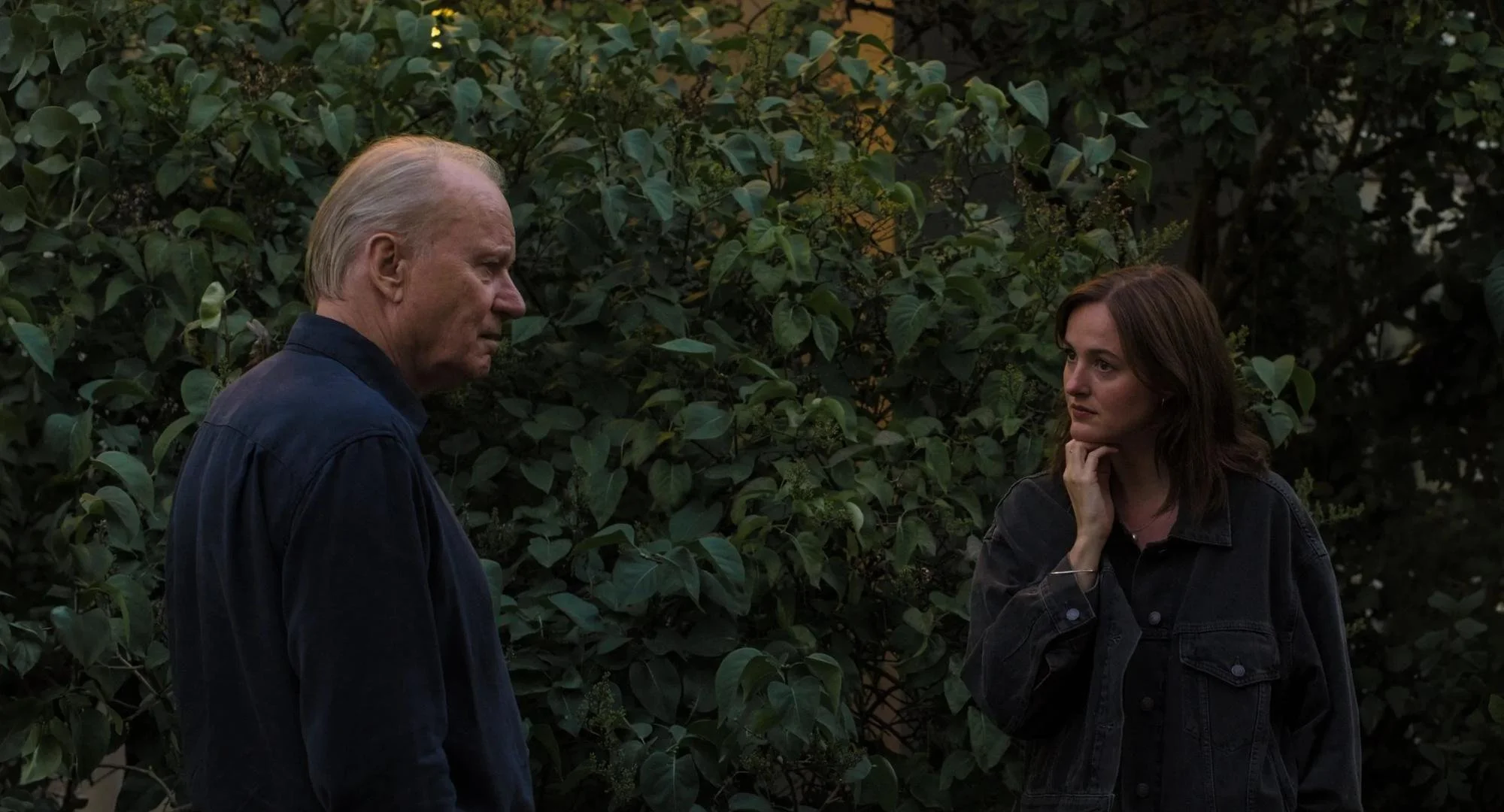
The person who seems to bear the brunt of that weight is Nora (Renate Reinsve). Now grown up and a stage actor in Oslo’s National Theatre, she carries her father’s flair for a dramatic walk out. We meet her as she’s having a little menty b backstage and asks her castmate/married bedmate Jakob (Oslo Trilogy alum Anders Danielsen Lie) to slap the stage fright out of her. He does, and Nora delivers another stellar performance. It’s a shame Gustav – who’s become something of a renowned filmmaker – isn’t there to see it.
Younger daughter Agnes (Inga Ibsdotter Lilleaas) seems to have fared a bit better after their tumultuous childhood; she’s now a historian with a husband and a young son named Erik, who has a close relationship with his aunt Nora and who’s clearly been provided the full deck of emotional support that the previous generation missed out on. To add insult to generational injury, Nora and Agnes’ mother/their one stable parent dies and Gustav returns to attempt reconciliation with his daughters – and also to reclaim the house.
But he doesn’t just want it so he can move back in; Gustav, who has struggled to find financing for his films of late, has a new script for a film that he intends to shoot in the house, a biographical account of his mother who took her own life when he was young. He hopes it’ll be his comeback film and he wants Nora to play the role of her own grandmother, a prospect she rejects, saying she “can’t work with him.”
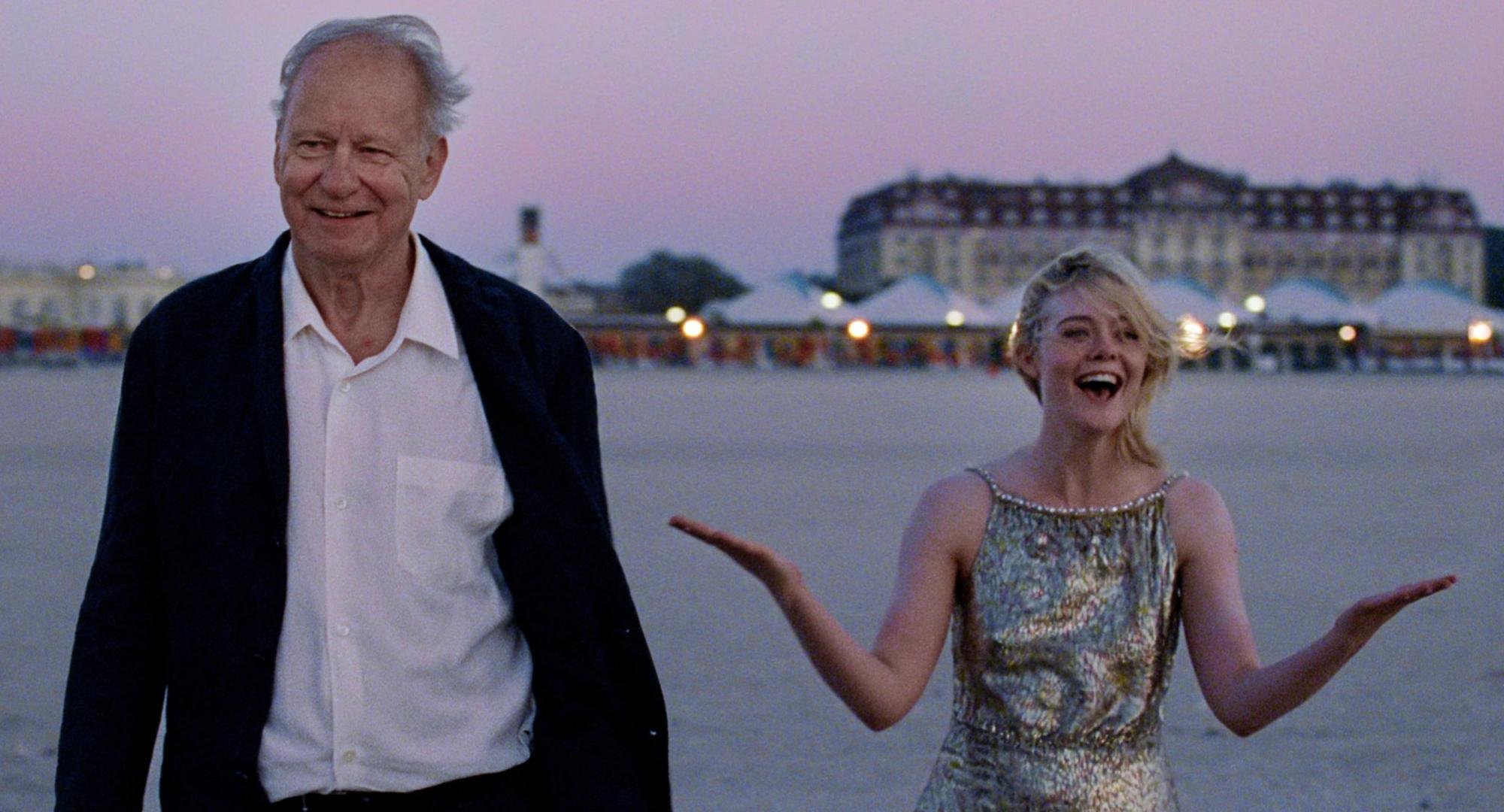
So instead, Gustav hires American actress Rachel Kemp (Elle Fanning) for the role after she attends a retrospective of his films and becomes moved to tears by one that stars Agnes as a child. As the production of his new project goes on and Gustav spends more time in the house, it becomes clear that his language for connection (i.e. cinema) does not make up for his absence in his girls’ lives, and that being together again in the setting of their collective childhoods as they work through their mother’s/his ex-wife’s possessions will force each party to confront the cracks in their own foundations.
Sentimental Value contains echoes of several other films that have moved and perplexed me. Gustav’s simulacra of his mother in his childhood home has more than a hint of Synecdoche, New York in it. The fractured father-daughter relationship is at home with the likes of Toni Erdmann and the closeness of two sisters dealing with the quirks of their imperfect father reminded me of Everything Went Fine. Shamefully, I’ve not seen Bergman’s Persona but I’ve read that its themes and visuals were a clear inspiration for Trier, who co-wrote the film with long time collaborator Eskil Vogt.
But what Sentimental Value does, perhaps more than any film I’ve seen in a long time, is weave together themes so particularly that it feels as though it’s speaking to me as a firstborn daughter, a child of divorce and a millennial with an emotional attachment to the kind of house that doesn’t exist anymore, at least not to me.
It speaks of the things we inherit (or don’t inherit) from our parents that shape our ways of being in the world. Of why younger sisters may be more calm, well adjusted and able to care for others than older ones (at least in my experience). Of the need to change your perspective when you don’t understand someone’s love language, even though it’s easier to just pick a fight because it validates your opinion and feels good in the moment.
But most of all, it’s about how memories don’t just live in your head – they’re attached to people and smells and material things, and if those things happen to converge in one place, then that place is far more valuable than its market price.
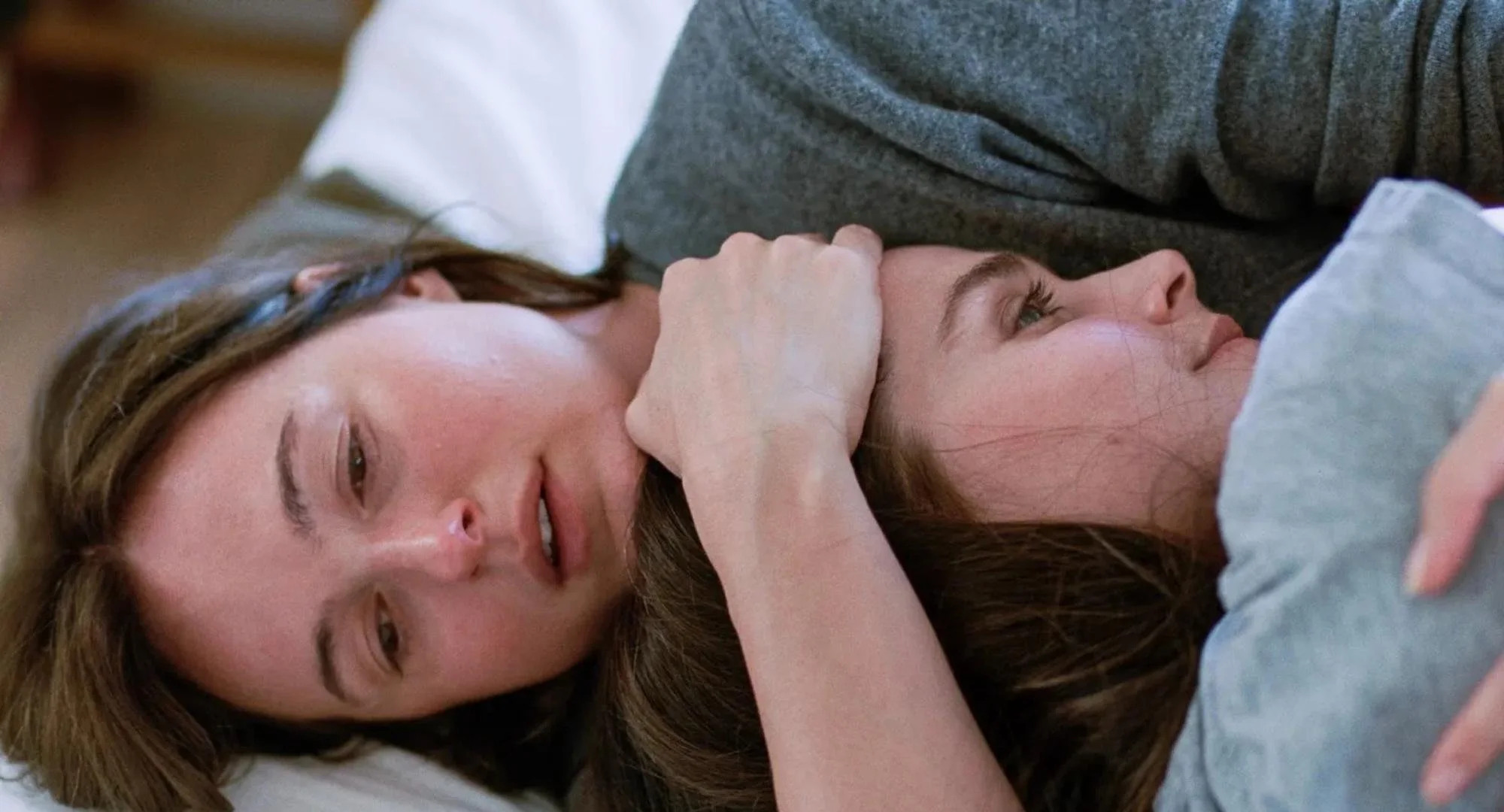
Stepping outside my own experience for a moment, the film also has inarguable strengths that no doubt contributed to its Grand Prix win at Cannes this year.
Renate Reinsve is somehow more heartbreaking and complex than she was in Trier’s previous film The Worst Person in the World, the poster child for millennial struggle in a world that reneged on its promises. Stellan Skarsgård is marvellous as a very flawed but not unloving father whose ways of showing it provide much of the film’s comedy. And both Inga Ibsdotter Lilleaas and Elle Fanning hold their own against the leads, their characters enriching the story and adding some much needed outside perspective that helps Nora and Gustav move toward a resolution.
The film also features gorgeous production design from Jørgen Stangebye Larsen who had to craft a house that transforms through the decades. Trier had actually used the house in Oslo, August 31st but Larsen this time had to build the whole house again in a studio environment to be able to easily film its transition through the eras.
My only gripe (and it’s more with my own generation than the film) is the millennial reno that the house is subjected to, stripping it of its desirable character and turning it into an IKEA ad. I don’t know why so many people my age extend enshitification to home decor and interior design but it must be stopped.
And now, to close the chapter on this self-indulgent and overly long review of Sentimental Value, I’ll just say that what you’ll get out of the film will probably be determined by what you bring to it. I think it’s an incredible piece of cinema and that’s exactly where you should see it.
Verdict
☆☆☆☆☆
Sentimental Value is playing at Perth Festival Monday 8th December through Sunday 14th December. Take your estranged father.