Project Hail Mary
On Earth, men have been dropping the ball pretty consistently for about 10,000 years. While discovering fire and inventing the wheel represent high points in their early history, exploiting invisible female labour, locking themselves in online conservative echo chambers and not learning how to emotionally regulate have curiously become more prevalent as men have ‘evolved’. But for some reason, when they go out into space, they seem to hit their stride.
Thus, the Men Figuring Shit Out in Space subgenre of sci-fi has become one of my very favourites. And when I heard that Spider-Verse directors Phil Lord and Christopher Miller had teamed up with The Martian screenwriter Drew Goddard to adapt another of its author’s (Andy Weir) novels, I rallied my favourite men to see it in IMAX. And I came out believing that male friendship has the power to save the world – even if it’s only achievable through interspecies communication and Rocky references.
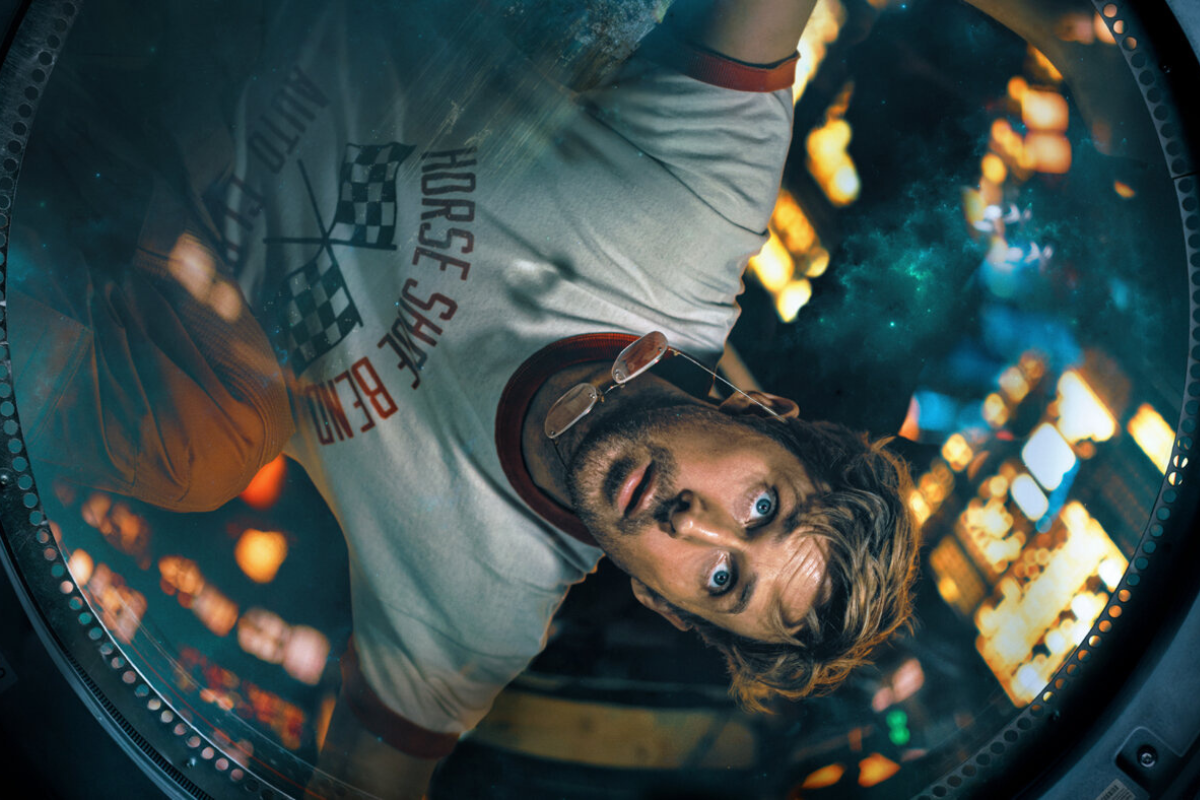
The film opens with a bearded and confused Ryan Gosling waking (or rather, being woken by bots) from a coma to find that he is the only living member of a crew of three on a spacecraft. He has amnesia but thankfully, science still occupies his mind and he figures out that the nearest star is light-years away (and it isn’t our star, either). Flashbacks flood in, revealing that before his current predicament he was a high school teacher and former molecular biologist named Ryland Grace, whose theories proved a bit too challenging for his peers but would end up being essential for NASA.
That’s because around this time, the world realised that the sun was dimming – or rather, being eaten by naughty little space mites called Astrophage (‘star eater’ in Ancient Greek) and would cause catastrophic global cooling within 30 years. While that sounds pretty nice right now (it’s 35 degrees outside as I write this), it would essentially force the starvation of half of the world’s population while the other half watches and waits in fear for the same to happen to them.
Grace has been tasked by Eva Stratt (Sandra Hüller) with studying Astrophage from the frontlines (i.e. out in space on a suicide mission) and ideally, figuring out a way to defeat it and save Earth from its icy, hungry fate. But while he’s out there floating in a most peculiar way, he discovers he’s not the only representative of a civilization facing this problem.
I won’t spoil the rest because the charm, exhilaration and emotional weight of the film comes from discovering it yourself (and if you want to go in properly blind, under no circumstances should you watch the trailer). But I will say that Project Hail Mary endeared itself to me most effectively, hitting all of the Men in Space beats I like to see and giving me an extraterrestrial hero of such overwhelming goodness and resilience that Rocky Balboa himself would be proud.
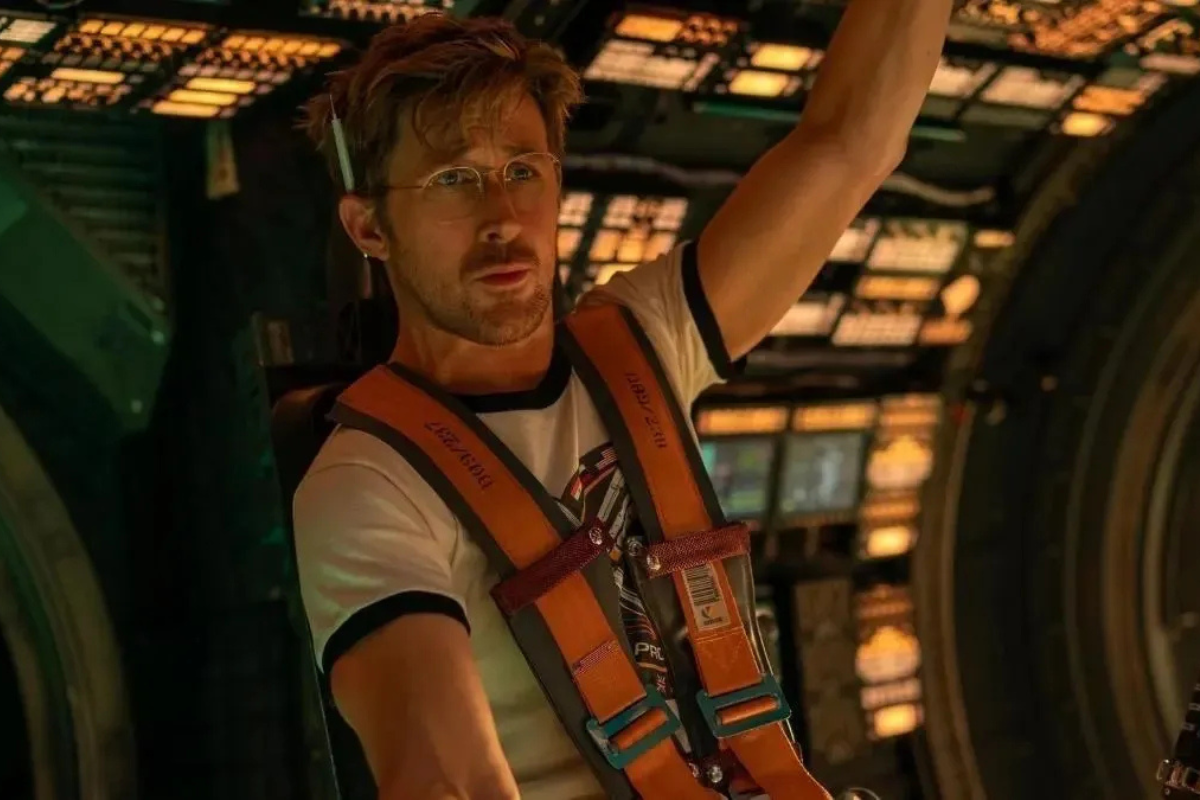
As mentioned, this is an adaptation of the 2021 novel of the same name by The Martian author Andy Weir and it also shares that film’s screenwriter. While you could say that this makes Project Hail Mary feel more than slightly derivative of that work, there’s a larger argument to be made that it’s derivative of MANY other sci-fi films with which it does not share direct DNA.
There are echoes of Spaceman, that Netflix film where Adam Sandler befriends an extraterrestrial spider and space infestations eat things they shouldn’t. There’s Gravity in the ‘only person left alive alone’ plot and a surreal beach that resembles the one in Contact, as well as the ‘11th hour catastrophe that necessitates our protagonist stepping in’ narrative trope. There’s even some Arrival-style communication building between Grace and the film’s supporting character that I absolutely loved and that provides much of the comedy.
Visually, there’s more than a hint of Interstellar in a strange golden, tendrilly ship that evokes Nolan’s library in time. And speaking of Nolan influences, there’s also the Memento-style amnesia as narrative device, something that I’m not sure entirely works here as I (somewhat ironically) forgot about it after the setup.
But what Project Hail Mary has that sets it apart from its influences is a winning balance of comedy, adventure and good old fashioned wholesomeness (courtesy of its directors and Drew Goddard’s script) that manipulated my emotions and made me unable to raise any serious complaints.
Its tactics include making Sandra Hüller do karaoke again. Interspecies collaboration and friendship in confined quarters. A wholly unproblematic man at its centre who we’re expected to believe is single (the only explanation is that his girlfriend left him for a guy named Mark), only making him more relatable. Its tone is one of grounded optimism, the kind desperately needed right now as things seem to be going from ‘fucked’ to ‘even more fucked’. And to top it off, it looks fabulous.
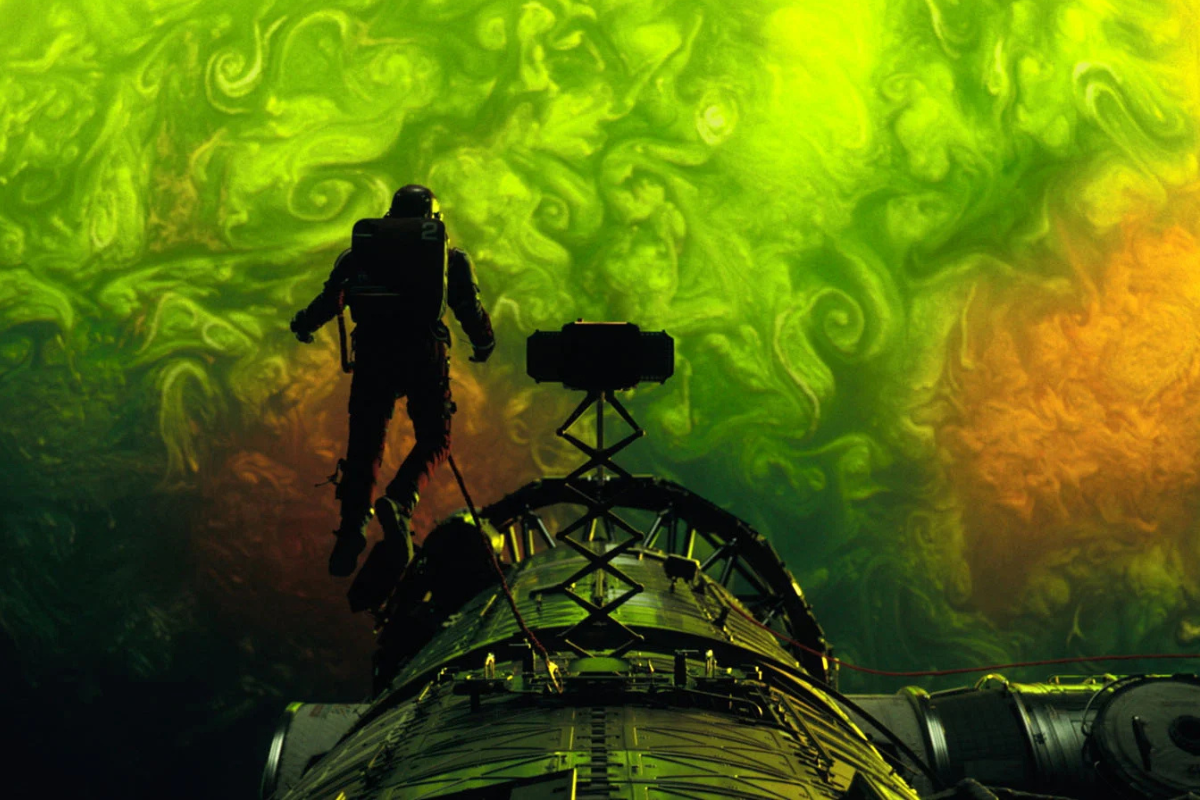
This film is a genuine spectacle that deserves to be seen on as obnoxiously large a screen as possible. Filmed for IMAX by Australian cinematographer Greig Fraser (who shot the first two of Villeneuve’s Dune films), it flits between aspect ratios differentiating the present (space) and the past (Earth). Its visual effects were a collaborative effort by Framestore (who did The Martian), Industrial Light & Magic and a few others, with practical creature effects by Neal Scanlan and puppetry by James Ortiz. It is a true Best Of album and its visual heft is matched by its runtime, yet at 156 minutes I never felt the film drag or had cause for my attention to wander.
Project Hail Mary is a feel-good popcorn movie and a real triumph of heart — and that’s exactly what I needed it to be. In times like these, I’d say its title is correct.