Nicole Kidman’s generational run and the Boomer women it triggered
An exploration of our mums’ collective hatred of Our Nic.

For as long as I can remember my mum has always had this unfounded hatred of Nicole Kidman. My sister and I would always laugh about it; how could this homegrown star who we found so charming and inoffensive provoke such disdain in the woman who raised us?
In evidence that is purely anecdotal, it turns out that hating Nicole Kidman is a common pastime for Boomer women. Every millennial I’ve spoken to (a small sample size, so consider this a qualitative piece) confirmed that their mum also hates her and doesn’t have a clear reason why. That's at least six Boomer mums who really, really dislike Nicole Kidman. Weird.It’s also important to state that I’ve not found any evidence that Boomer men hold the same anti-Nicole opinions – this is woman on woman crime, and it’s survived for decades.
I’m sure this hatred was partly informed by garden variety tall poppy syndrome, as well as Kidman’s oversaturation in publications like Women’s Weekly and the widespread adoption of the moniker ‘Our Nic’.
But I’ve always wondered if there were deeper reasons for this phenomenon. And I thought I’d explore them.
Is it jealousy?
I submit the following gifs of Nic in the 90s, when this curious hatred seems to have begun.

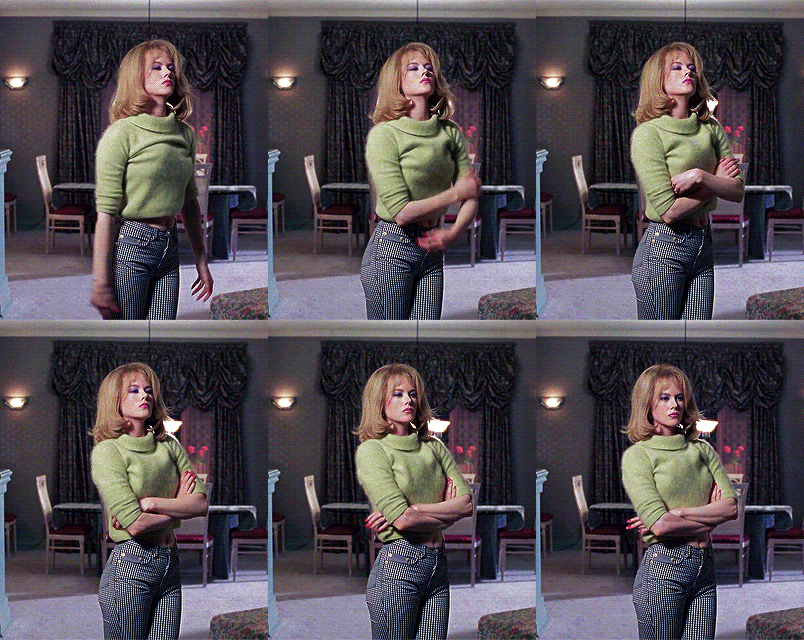
Batman Forever, 1995
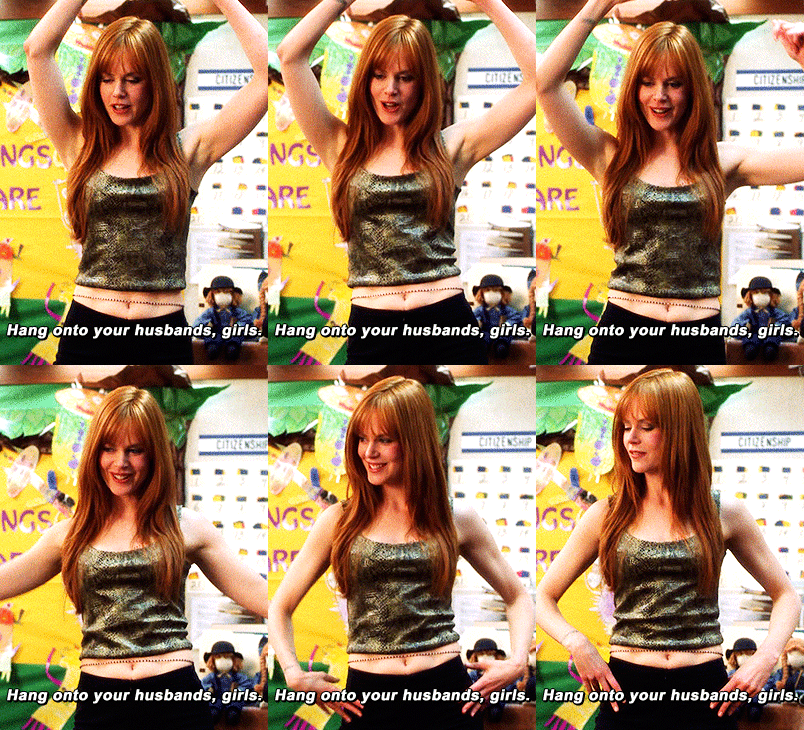
To Die For, 1995
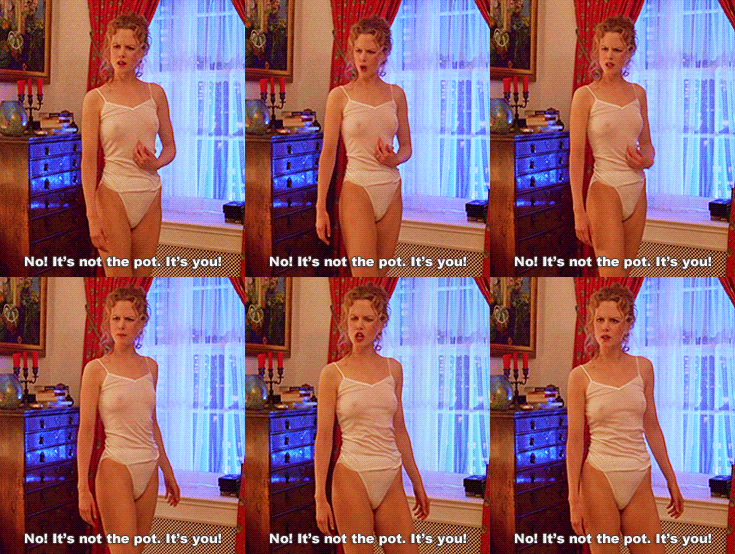
Practical Magic, 1998 (particularly triggering)
Eyes Wide Shut, 1999
I know that if I’d seen these images in my 30s and I’d recently given birth or was raising young kids, I would’ve hated myself. But I don’t think it’s just the physical specimen of Nicole Kidman that stoked jealousy in our mothers.
Unlike the Meg Ryans and the Julia Roberts and the Helen Hunts of the time, Kidman never played it safe or catered to “women” (meaning Hollywood’s idea of the cohort they were making romantic comedies for). She was as likely to accept a role in a blockbuster as she was in an independent auteur piece exploring hard subject matter. She was working with Stanley Kubrick and Gus van Sant and Jane Campion and she was making waves.
She also emancipated herself from her weird first husband and it later became a meme (even if Nic herself busted the myth that the photo was taken of her leaving her divorce lawyer’s office).
It’s no wonder our mums would find a hot homegrown divorcée who took big swings and received praise for it a bit triggering. But ladies, surely you see now that jealousy is a disease and the cure is getting over it?
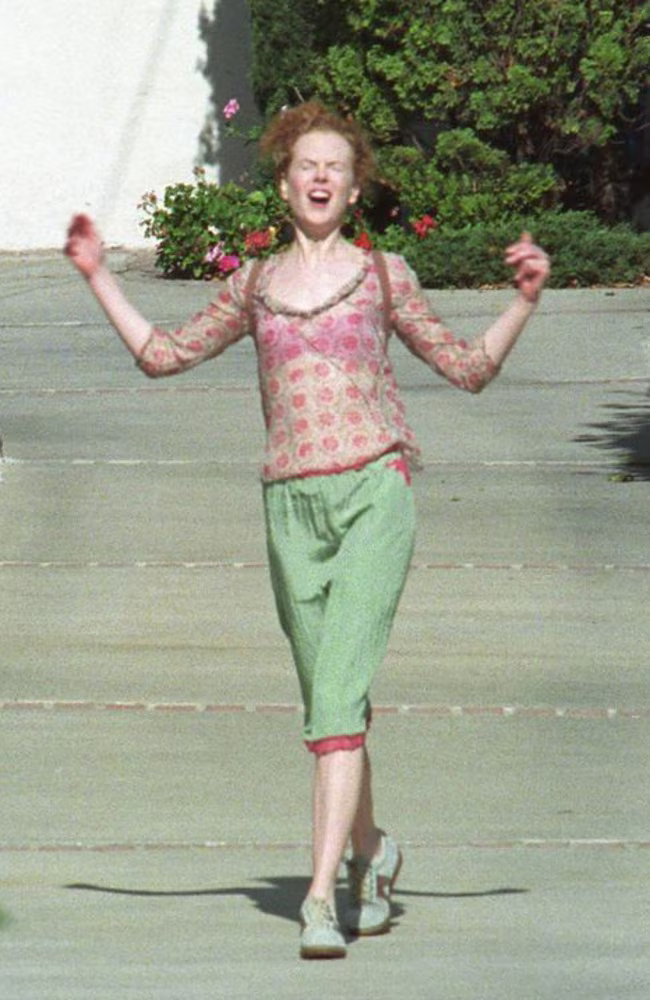
I’m happy to chalk up almost every bad take that Boomer women have to the patriarchy and the internalised misogyny that plagued them during their formative years. Nicole Kidman’s apparent disregard for the patriarchy when picking roles probably didn’t improve her detractor’s opinions.
Is it internalised misogyny?
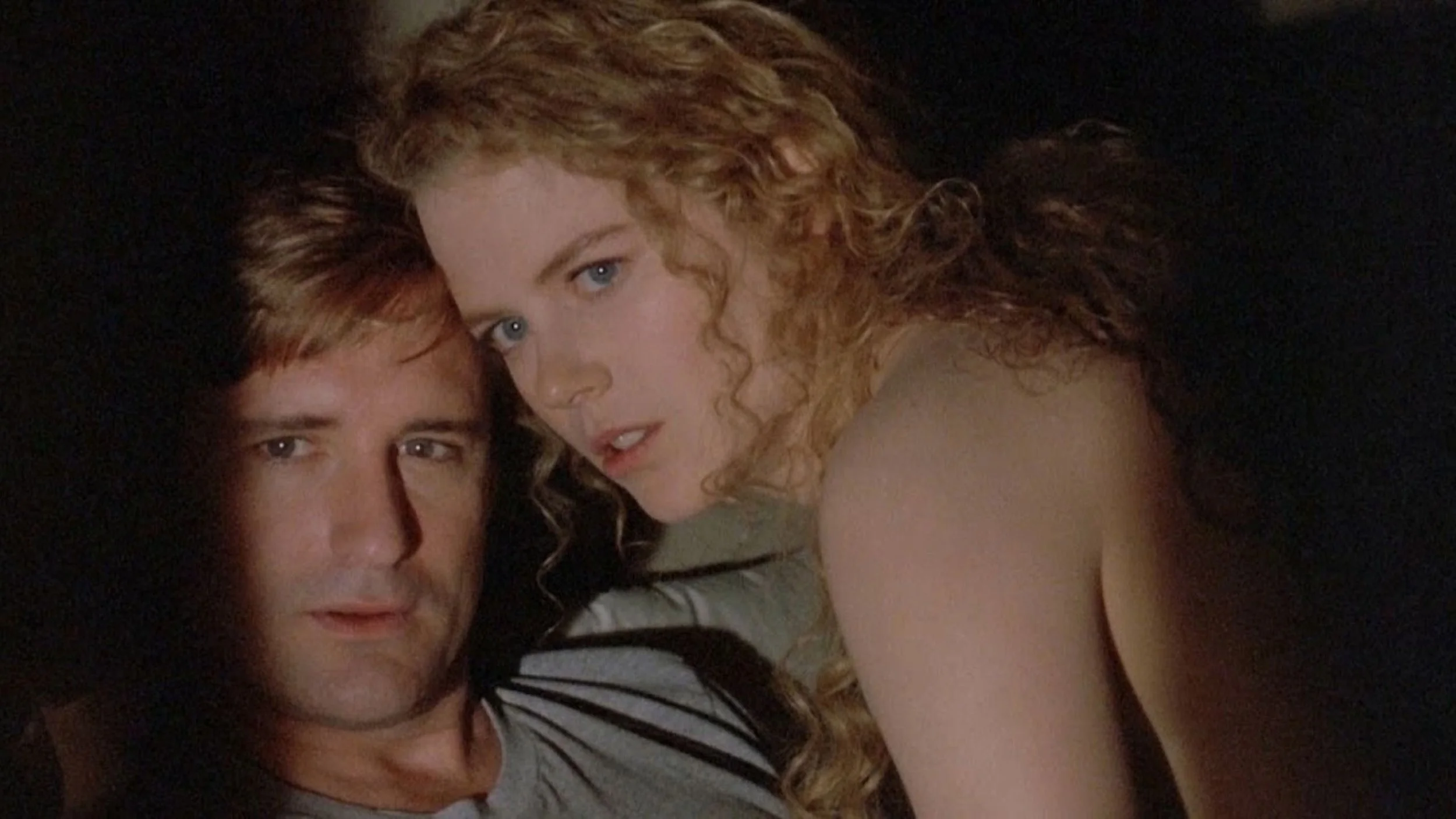
In 1993’s Malice she played a naughty con artist who cheats on Bill Pullman with evil surgeon Alec Baldwin, colludes with him to extort money out of poor Bill and has no qualms asking her lover to murder a 10-year-old who she thinks witnessed their conspiring. Despite the mini trend of 90s thrillers featuring morally bent female characters our mothers clearly hadn’t gotten used to supporting women’s rights AND wrongs. Gone Girl hadn’t come out yet so that’s understandable.
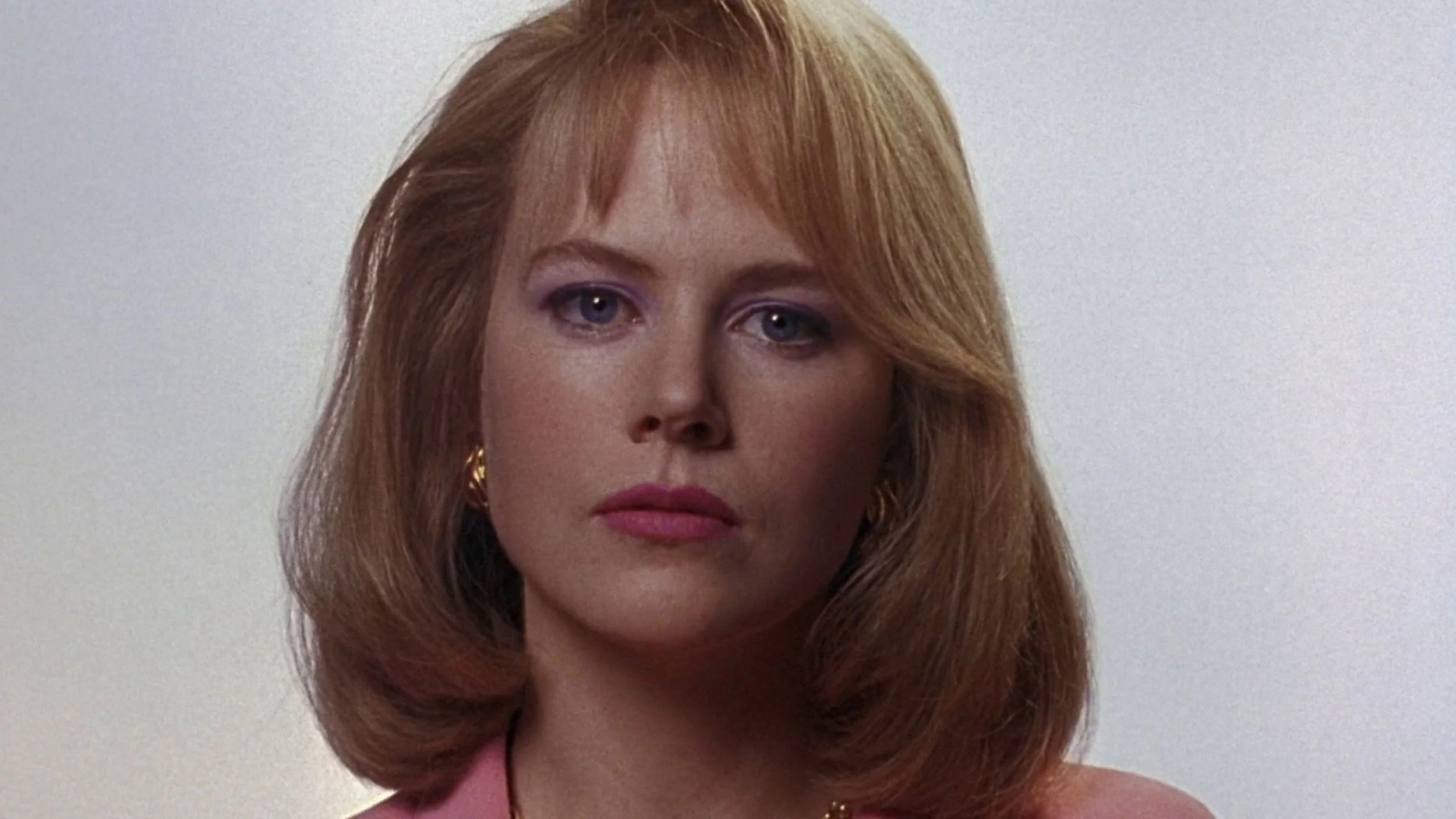
They’d get another chance in 1995 when Nic played a manipulative femme fatale with news anchor ambitions in the black comedy To Die For. It was based on a novel which in turn was based on real life woman Pamela Smart, who was convicted for conspiring with her underage boyfriend to murder her own husband. Nic’s character seduces a young Joaquin Phoenix to kill her hubby Matt Dillon. Why? Because he wants her to be a stay at home wife and mother. I watched the film only this year and as a fellow childfree, I can appreciate the character’s motivations and the archness of her antics. Apparently our mothers could not. But maybe a family film would turn the tides on their Kidman hate?
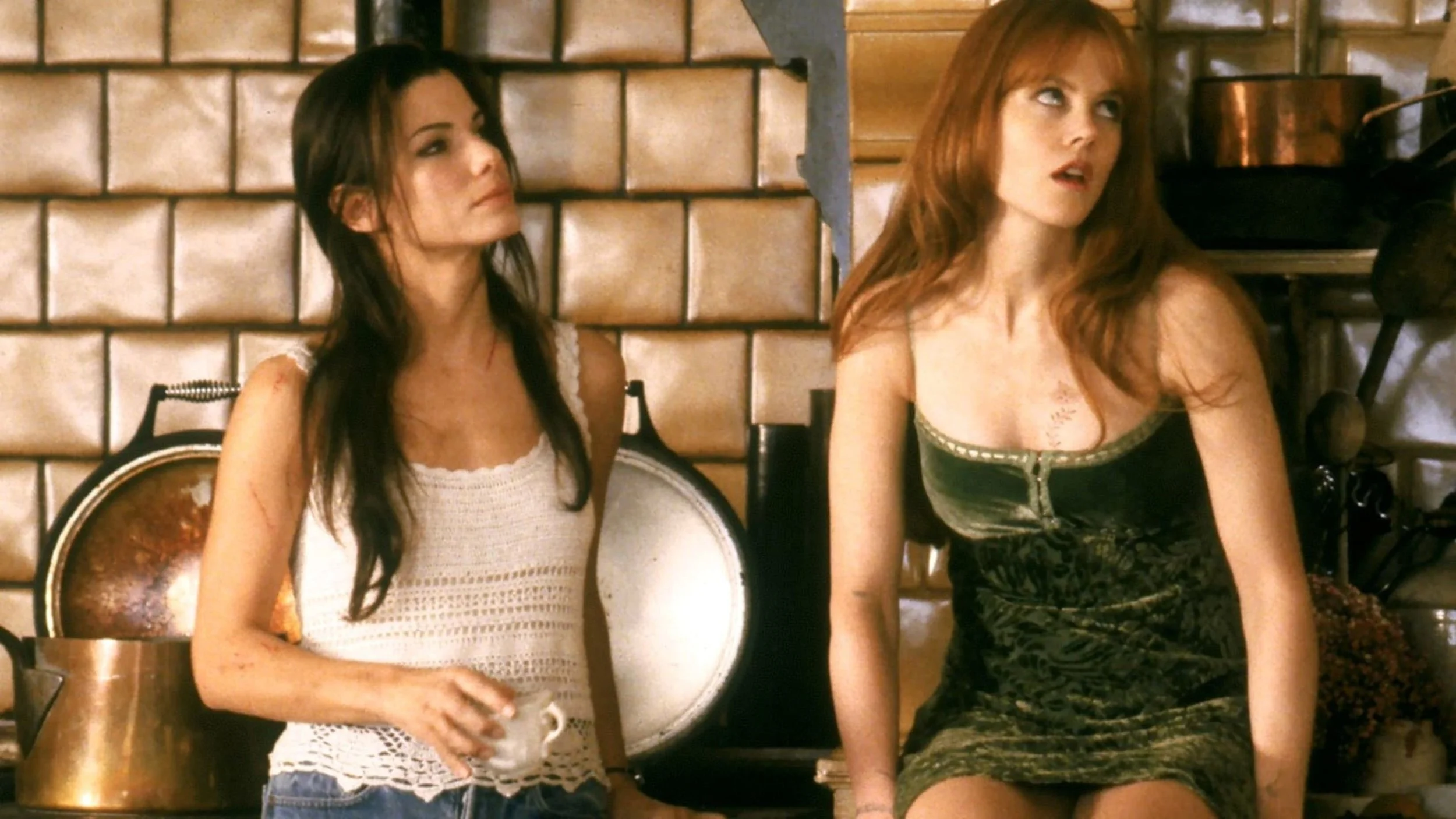
In Practical Magic she played Gillian, the cool, sexually liberated younger sister to Sandra Bullock’s more demure heroine Sally Owens. While they’re both witches, Sally’s path of getting married and having children (despite knowing ahead of time that their father would probably die) was more societally palatable than Gillian’s, who has no commitments and a lot of boyfriends. As a kid, I just thought Gillian was fun and free and a great aunt who had questionable taste in men. I think our mothers just thought she was “a slut.”
The choices Nic made in her 90s roles — that we as millennials view as transgressive and bold and feminist — were choices that maybe our mums weren’t yet ready to accept. But say you had a super progressive mum who didn’t slut shame and wasn’t personally threatened by some of Nic’s alternative onscreen depictions of women; there’s a chance she still had/has anti-Kidman sentiments. If it’s not jealousy or internalised misogyny, what else might it be?
Is it cultural cringe?
Nicole Kidman got her start in the 1980s in the following Australian films that I’ve never seen.

Bush Christmas, 1983
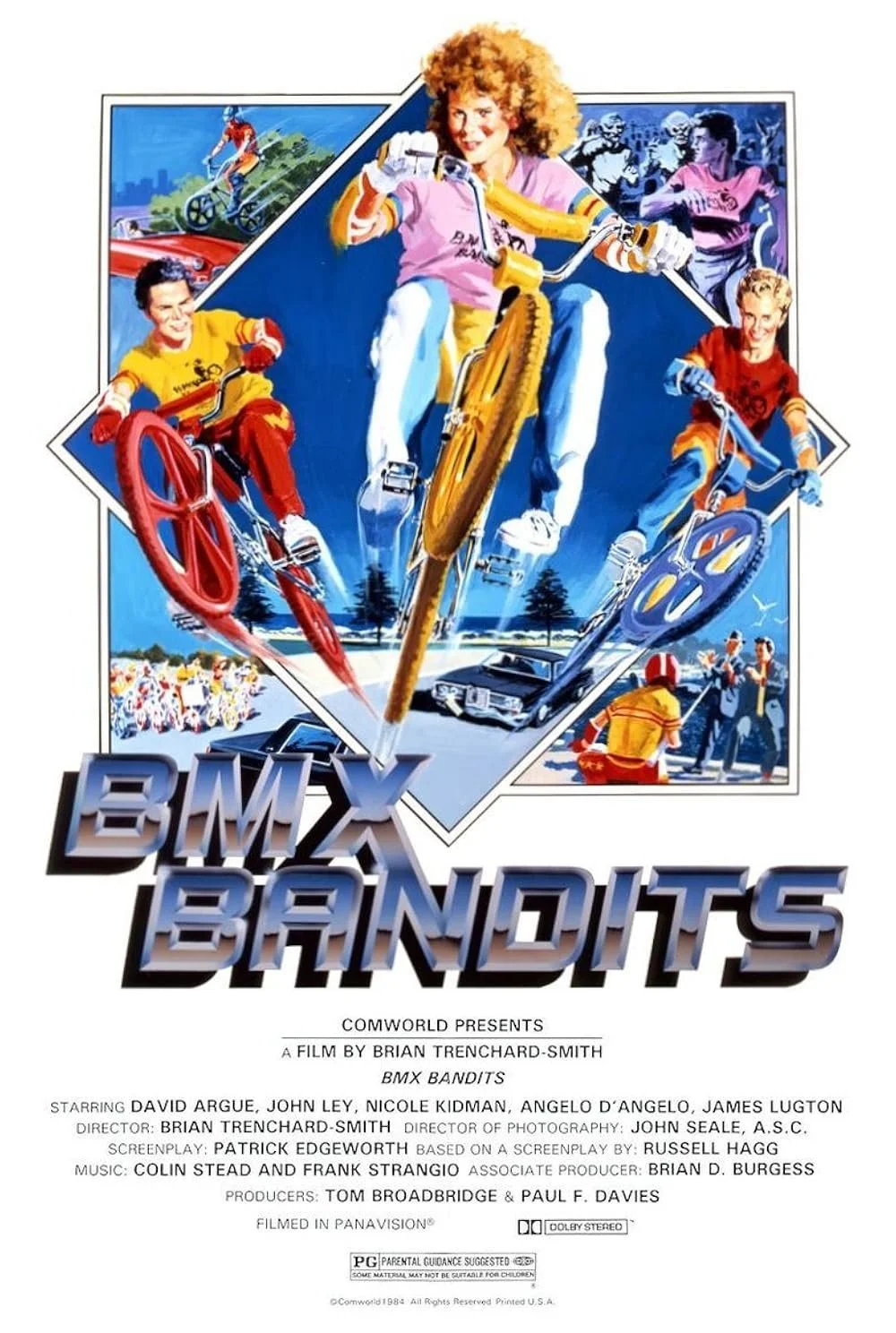
BMX Bandits, 1983
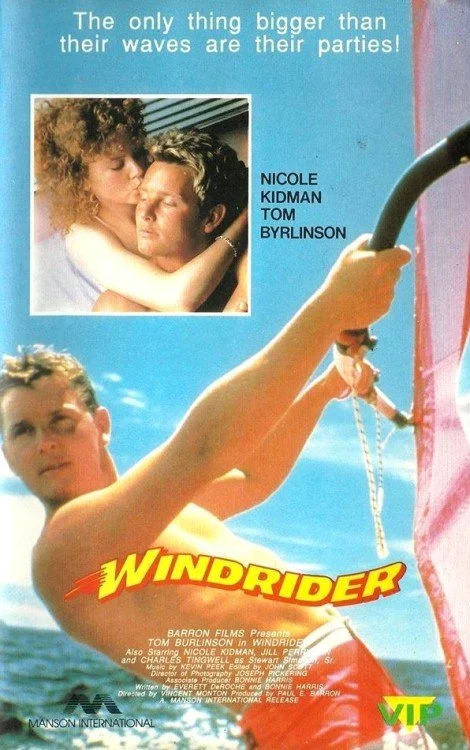
Windrider, 1986
I can see how these might be relics of embarrassment, triggering memories of perms and 80s Australiana that our mums may have found not so chic at the time. Windrider was filmed in Perth, so it doesn’t get much closer to home. But my suspicion is that Nicole Kidman inspired a different type of cringe a bit later, and that it came specifically from her collaboration with Australia’s most extra director.
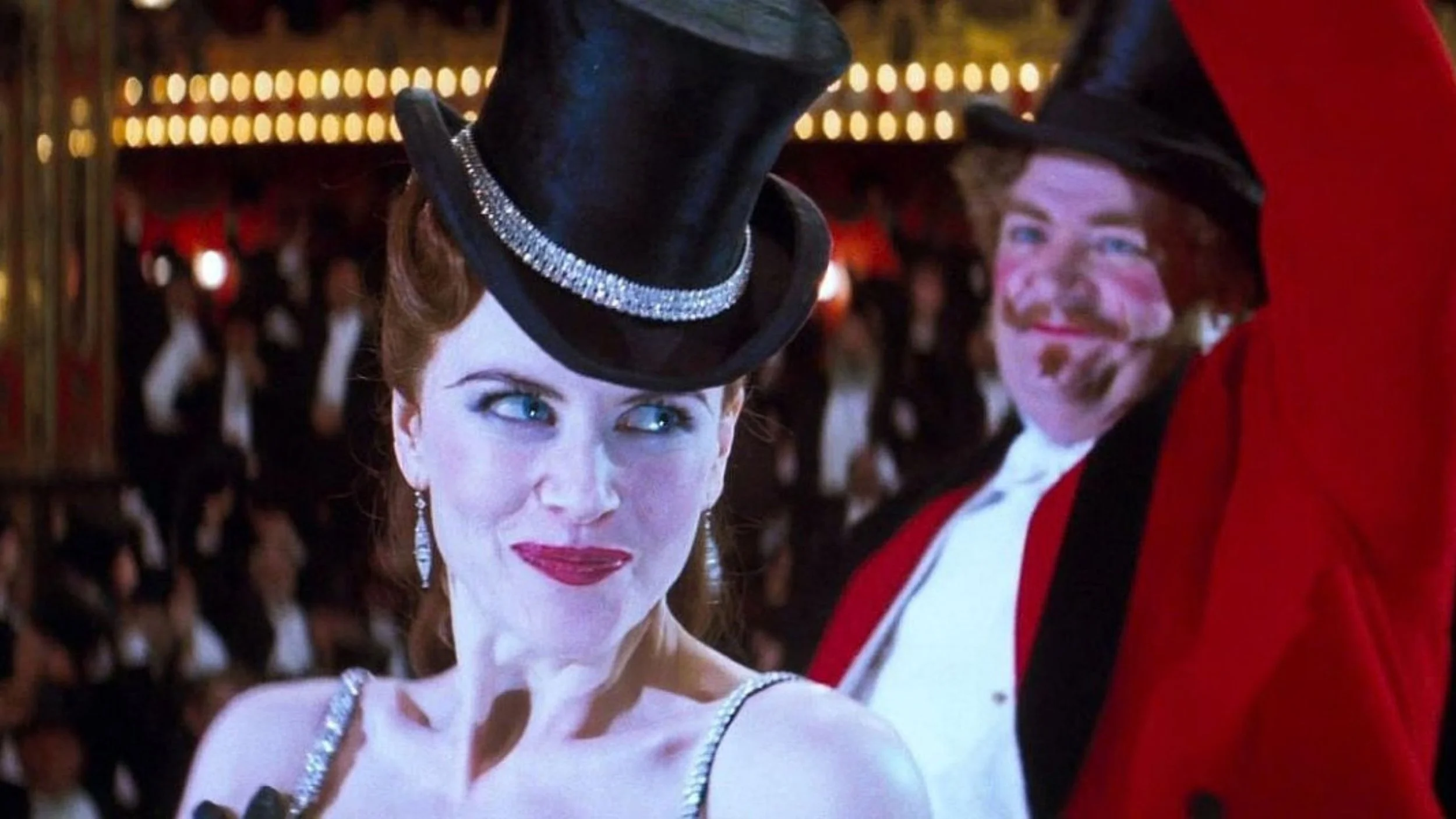
This type of Nic hate, I believe, began in 2001 when she starred in Baz Luhrmann’s Moulin Rouge. Even the film’s synopsis is cringe:
Christian, an English writer, travels to Paris to join the Bohemian revolution. He visits the city's biggest night club, Moulin Rouge, and falls in love with its star performer and courtesan, Satine.
I’ve seen the film once as a child and have successfully repressed the image of Ewan McGregor singing because it made my skin crawl. While the film and Luhrmann’s particular brand of production have many fans, my mum (and by extension, myself) were not among them. Nic didn’t help her cause because she chose to work with Luhrmann again, this time in an even more culturally cringe film.
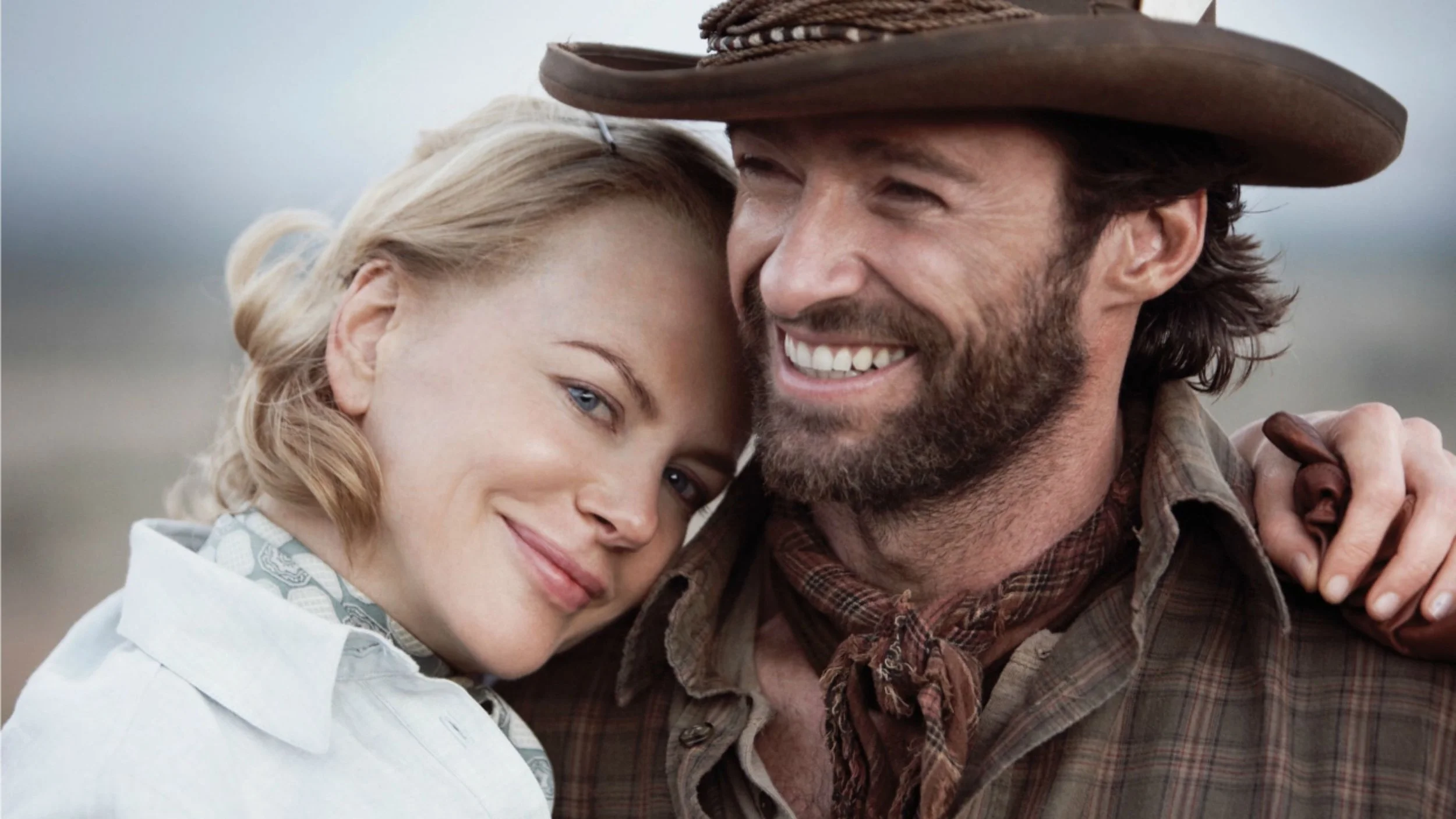
2008’s Australia is so cringe that I couldn’t even bring myself to watch it. I don’t think my mum has seen it either. I understand that this renders any opinions on its existence invalid but sometimes, your imagination of a thing is far worse than the thing itself.
The film received mixed reviews (to the delight of our mums, no doubt) and the fact that Nic played an English aristocrat named Lady Sarah Ashley would’ve done absolutely nothing to sway sentiment towards her from the Boomer women who already disliked her.
The cringe argument is really the only one I understand but in my view, the critique should be directed entirely towards Baz Luhrmann. Nic was just doing her part in bolstering the work of an Australian director and I count these as rare blips in her CV. I will also be challenging my own long-standing Luhrmann hostility in an upcoming project, so there’s every chance that I’ll change my tune about these collaborations in due course.
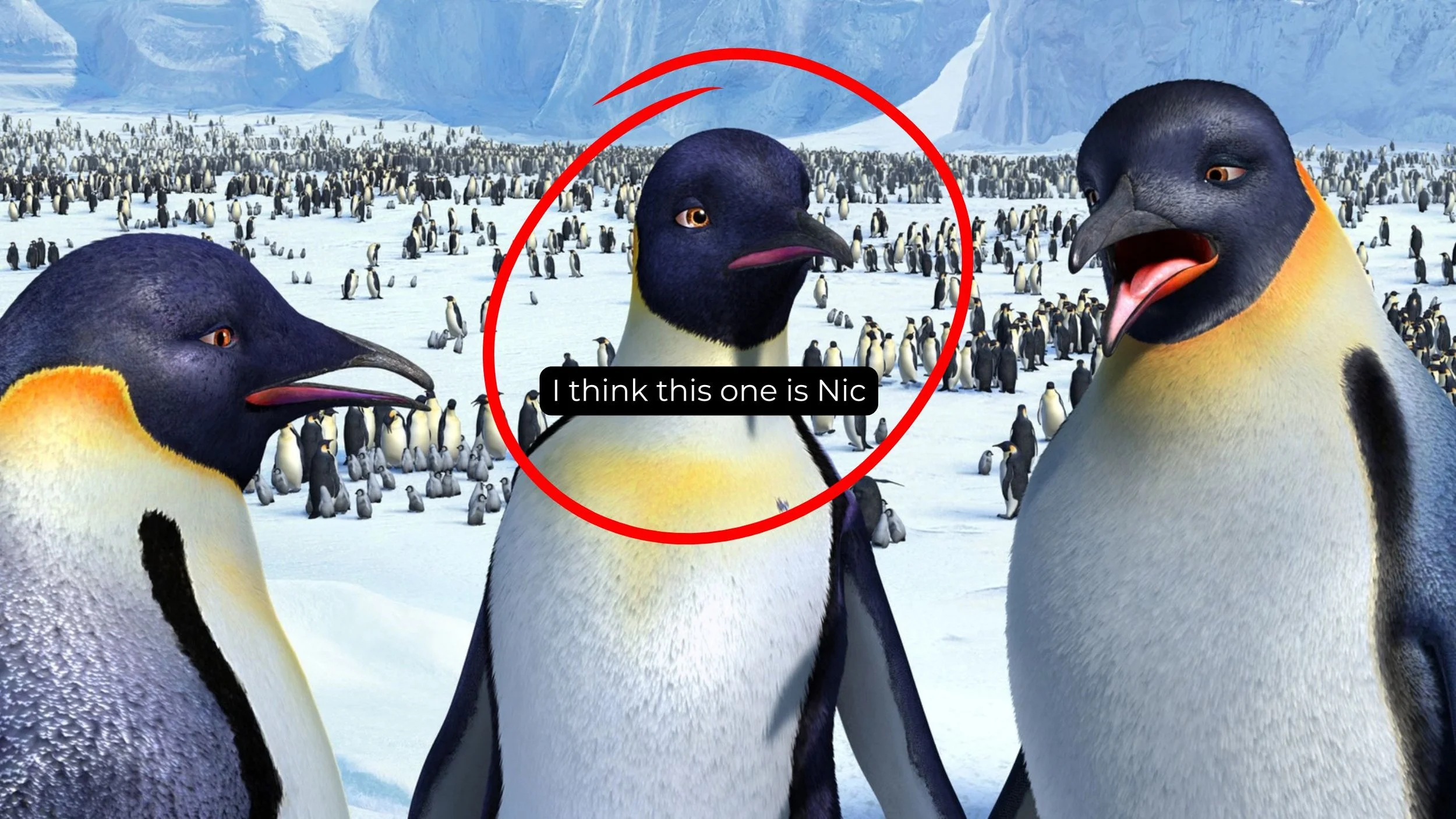
This niche complaint comes directly from my mum so I don’t know if other mums feel the same, but the voice Nic has put on in a couple of roles (The Stepford Wives and more hilariously, Happy Feet) thoroughly rubbed her the wrong way. Words like “airhead” and “bimbo” have been used in reference to these roles, which I find interestingly similar to the way Marilyn Monroe was spoken about in her time. Does your mum also lack a finer appreciation for bimbo voices?
Is it it her voice?
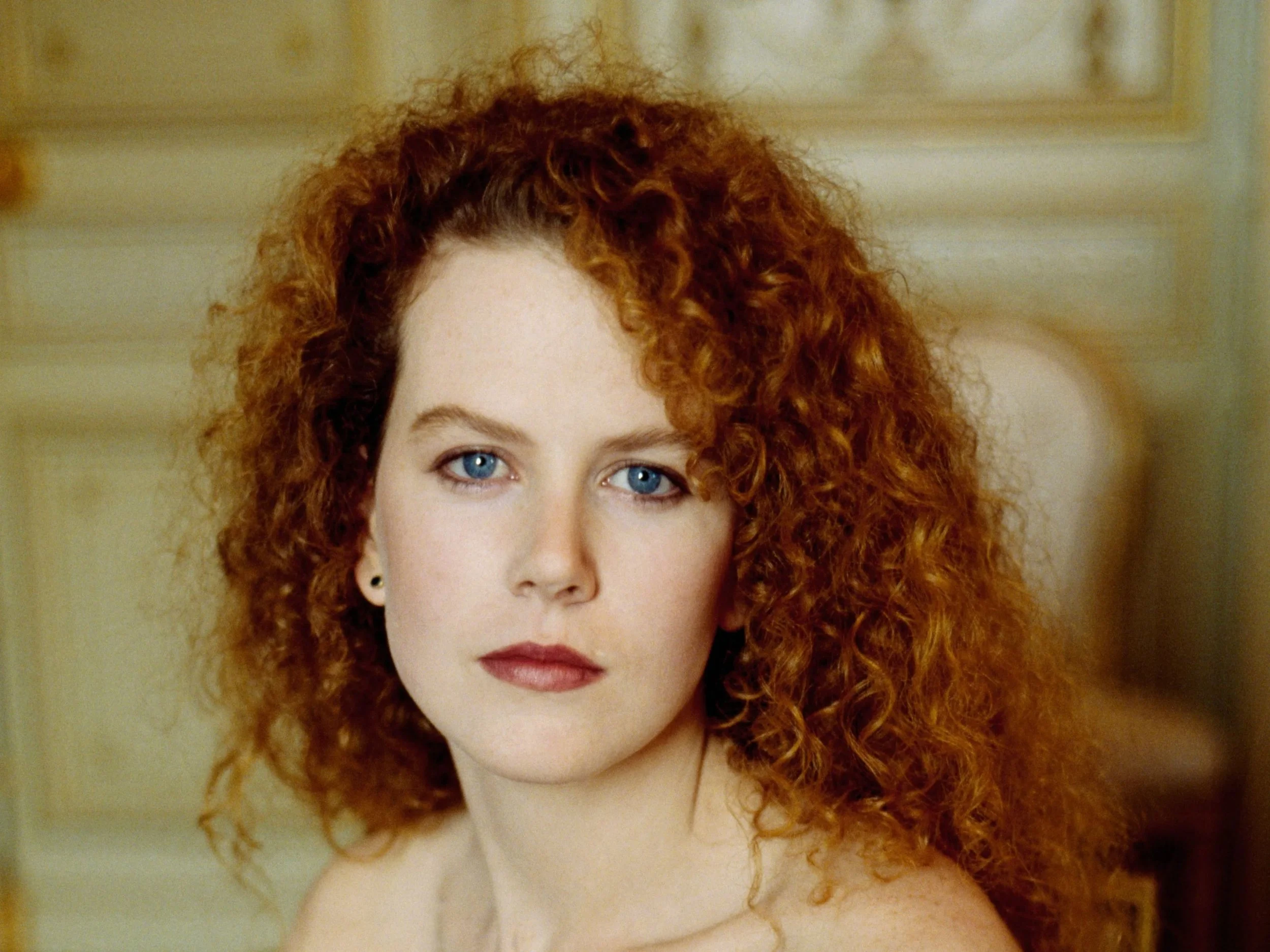
Is it it ginger hate?
Nicole Kidman has been blonde for decades but when she was just starting out, she had a mane of curly red hair. I thought ginger bashing was more a my generation thing but maybe it had its roots in our mothers’ generation where an influx of pasty “ten pound poms” found themselves being bullied in Australian schools. My mum is England-born and whether she participated in ginger verbal violence or simply witnessed it, this may be an explanation.
Our mums vs. Nicole Kidman: a ruling overturned?
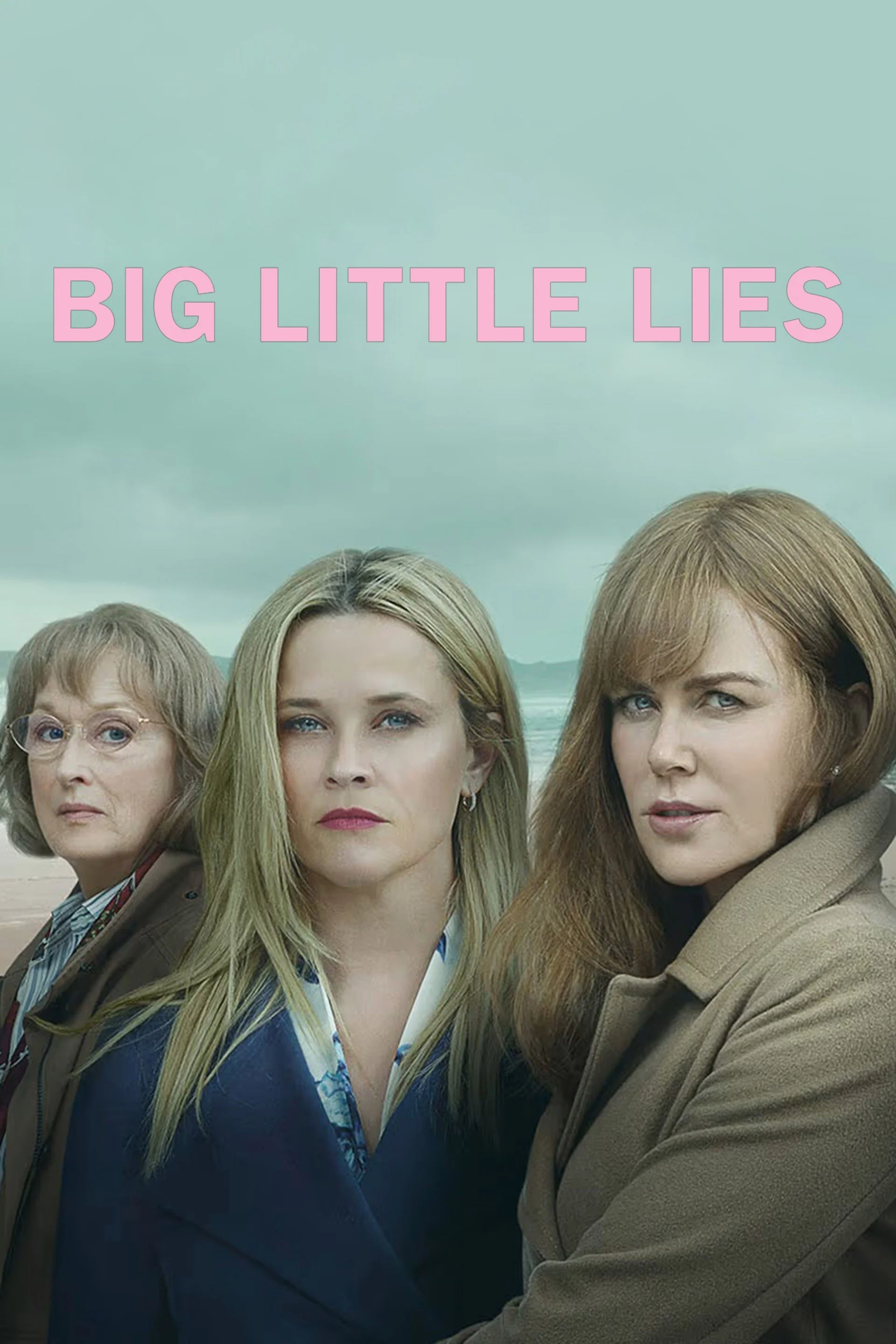
When speaking about this curious anti-Kidman phenomenon with others someone raised the point that the cohort who’ve hated Kidman our whole lives are the very same who now flock to her TV series.
Perhaps more than any other demographic, Boomer women have shown up in droves for Big Little Lies and Nine Perfect Strangers. Is this proof that the long-standing, completely one sided feud between women in their 60s and Nicole Kidman is over? Maybe.
Discourse around her “frozen” appearance in some 2020s films and speculation over what work she’s had done may have humanised Nic in the eyes of our mothers. They no longer fear her because she’s no longer a threat to them. She also got divorced from Keith Urban and our mums never liked his stupid highlights or listened to his music anyway, so she gets some marks for that.
Nic’s pledge (and action) in addressing gender disparity in the film and television industries by working with more female filmmakers is an act of women supporting women that really highlights an irony. Our mums didn’t support Nicole Kidman when she needed it but she went ahead and succeeded without it anyway. Perhaps she’s aware of that or perhaps she’s just a legend. We may never know.
But if your mum, like so many of our mums, holds an irrational hatred of Nicole Kidman, it is up to you to show her the error of her ways. The road ahead is long – dismantling decades-spanning bad takes won’t be accomplished in a day – but it’s noble work done in the pursuit of justice for Our Nic.