The Moore Years
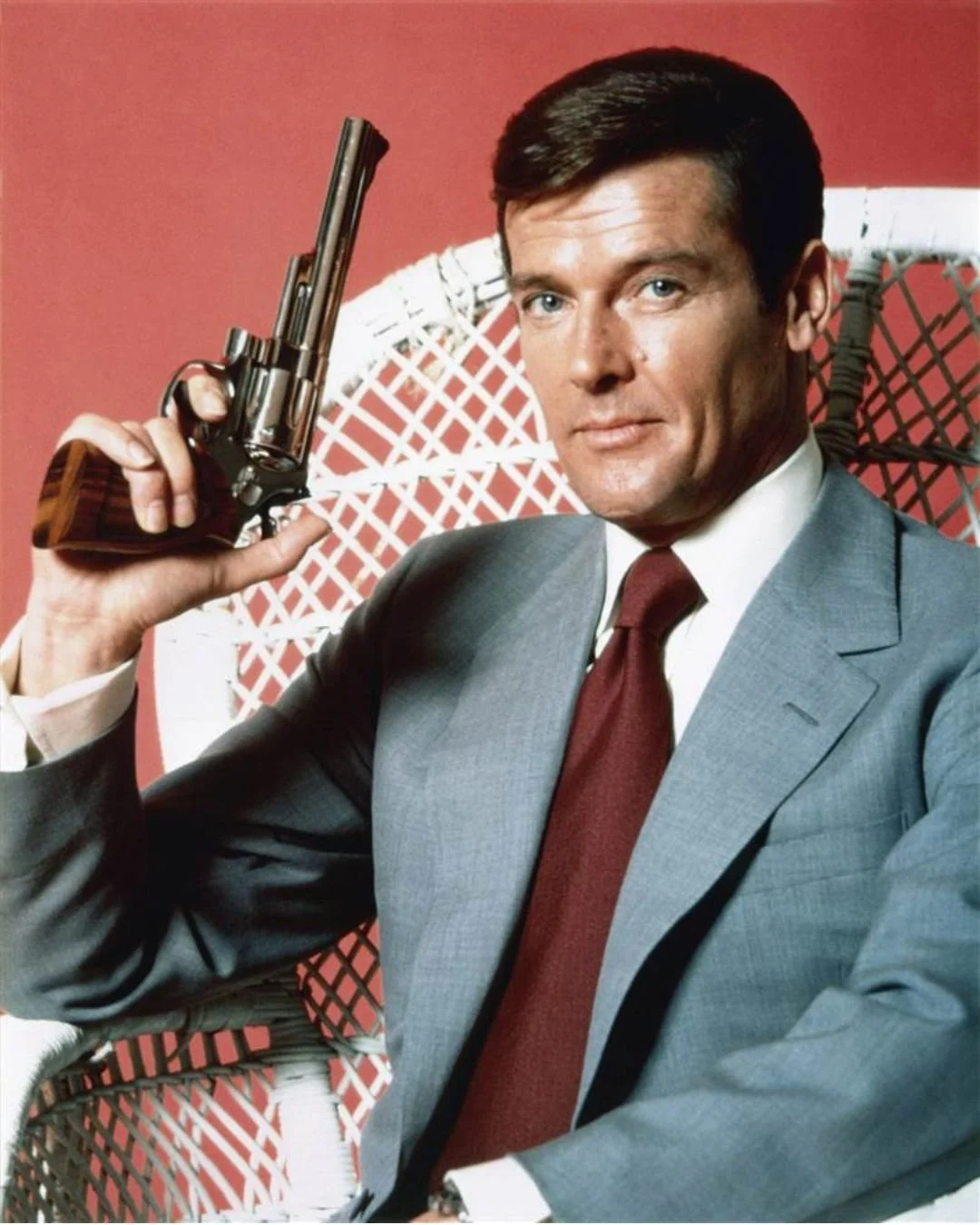
In Sofia Coppola’s Lost in Translation, part of the language barrier between Bill Murrays’ character Bob and the Japanese director of the Suntory commercial stems from Bond preferences. The director wants him to emulate “007, Roger Moore.” “Roger Moore?,” says Bob, incredulous. “Okay, I always think of Sean Connery.” “Noooo no. Roger Moore,” replies the director and for two decades, this exchange shook up my understanding of who is considered the quintessential Bond.
Whether Japan just didn’t appreciate Connery’s culturally insensitive makeover in You Only Live Twice or Roger Moore genuinely made a bigger impact there, I’m not sure. But I tell you this: having now seen my first ever Roger Moore Bond film, I reckon the Japanese are onto something.
And the producers must’ve been onto something from the get go, because Roger Moore had been considered for the role of Bond not once, not twice but THRICE before actually getting it.
He didn’t get Dr. No because he was deemed “too young and pretty.” He didn’t get On Her Majesty’s Secret Service because he was locked into British crime show The Saint. And he didn’t get Diamonds Are Forever because he was doing The Persuaders, an action comedy series co-starring Tony Curtis whose theme music was composed by none other than John Barry.
Finally, in 1972, the stars aligned. The Persuaders was cancelled after one season and then-44-year-old Moore was ready to go on his first Bond outing. And what an outing it would be.
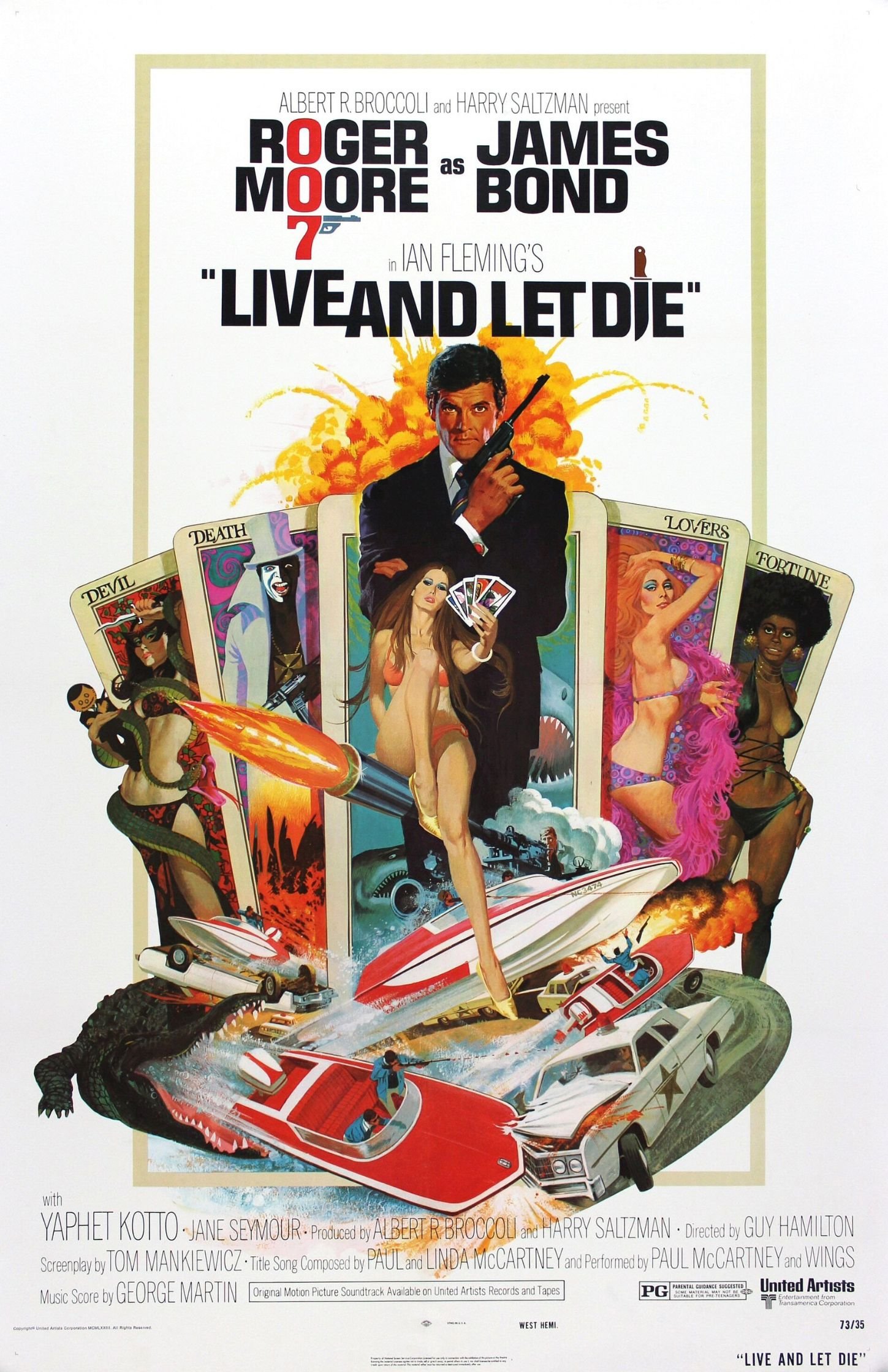
Live and Let Die (1973)
Synopsis
Buckle up, fuckleheads, we’re in for a wild ride. Three MI6 agents are mysteriously killed across three different locations: the UN, New Orleans and a small Caribbean Island. Bond’s investigation will lead him down the bayou where he will encounter tarot, voodoo, masked men, prosthetic arms, crocodiles and the consequences of taking an oracle’s virginity.
Particulars
Director: Guy Hamilton
Writer/s: Tom Mankiewicz
Producers: Harry Saltzman & Albert R. “Cubby” Broccoli
Stars: Roger Moore as James Bond, Jane Seymour as Solitaire, Yaphet Kotto as Dr. Kananga/Mr. Big, Julius W. Harris as Tee Hee Johnson, Gloria Hendry as Rosie Carver, David Hedison as Felix Leiter, Bernard Lee as M and Lois Maxwell as Moneypenny
Budget: $7 million
Shot: New Orleans, Harlem and Pinewood Studios
Based on: Live and Let Die, the 2nd book in Ian Fleming’s James Bond series
Way better than I was expecting
I’d seen clips from some of the more ridiculous Moore outings and naturally assumed his first would yield a similar distaste to Diamonds Are Forever. Not so! Instead, the eighth Bond film is far more well-balanced in tone and funness.
Here’s everything I liked about Live and Let Die.
Moore as Bond
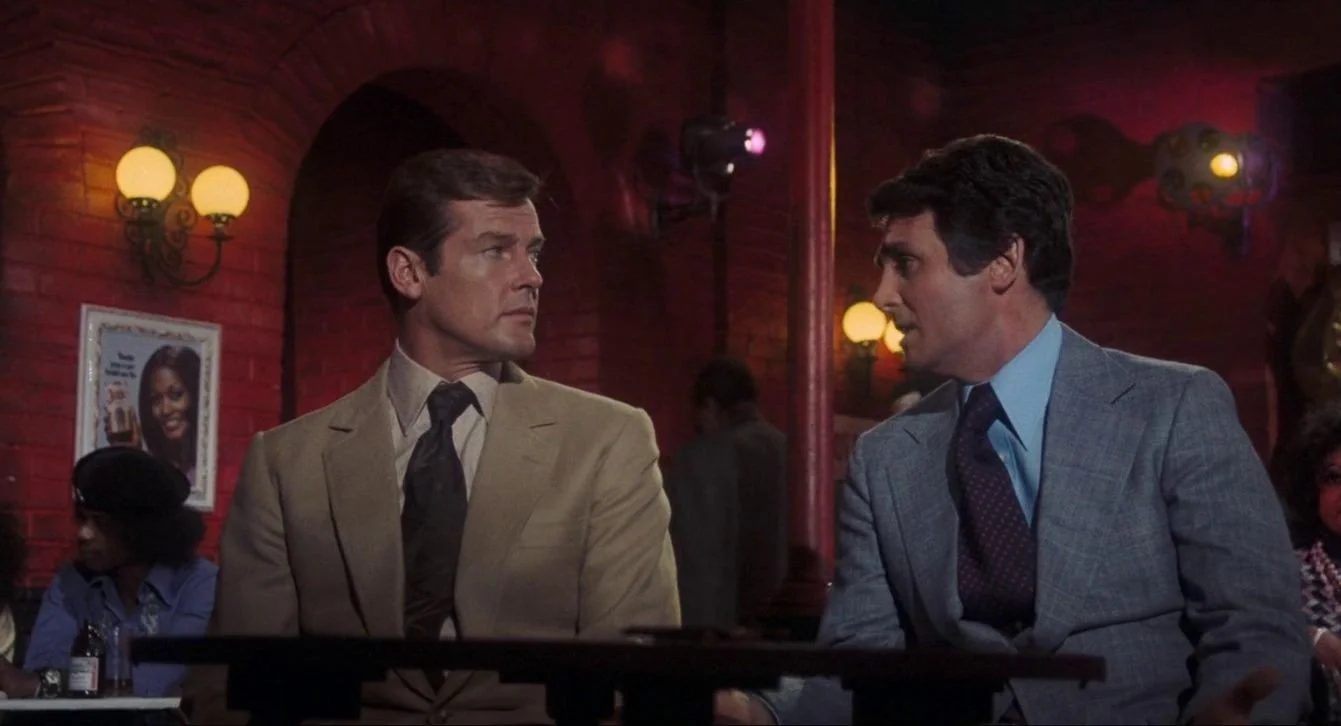
In what is news to me, I kinda love Roger Moore as Bond? Great voice, great bone structure and he can wear the hell out of a flared pant and a double denim fit. He’s playful but not brutish and I actually believe that he likes women and that women like him. I also think he does just as well as (if not better than) Connery at delivering Bond’s trademark punny quips. “He always did have an inflated opinion of himself” is a new highlight, thanks Rog.
Bonkers but sensical
Compared to previous entries (many of which had Cold War storylines), Live and Let Die’s blend of supernatural elements, drug trafficking plot and blaxploitation elements really mark a big change in direction from the Bond of the 60s. On paper, it all looks like a bit of a mess but as a film, I mostly found it cohesive and easy to follow along.
That song and opening titles
‘Live and Let Die’ has already lived in my rotation for many years but getting to see it play out so unexpectedly well with the film’s tone and cadence was a new joy. The unpredictability of both the song itself and its pairing with Maurice Binder’s opening titles emphasizes the film’s uniqueness in the greater franchise and I think it’s worked really well into the score (probably because Beatles’ producer George Martin scored the film). B.J. Arnau’s version of the song – performed at Mr Big’s Fillet of Soul club – is also a highlight.
Bond goes Blaxploitation
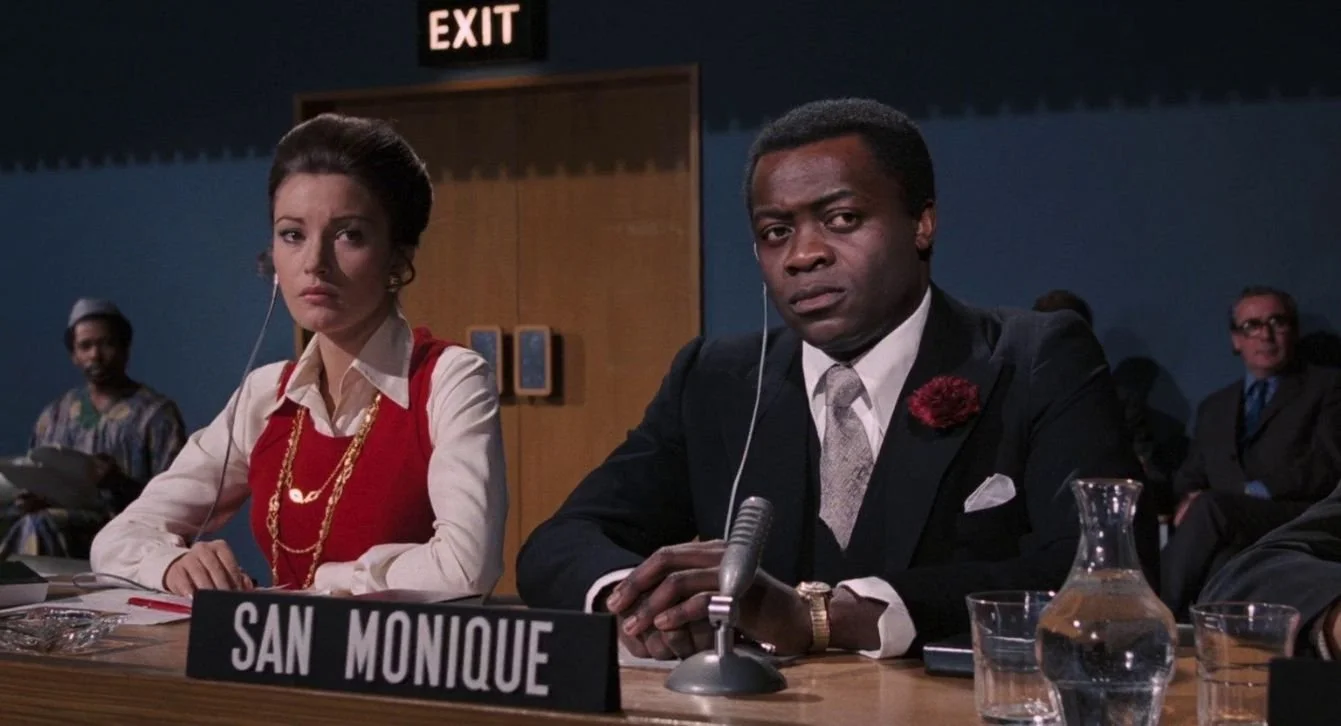
Tom Mankiewicz thought it would be daring to have black villains in a Bond film considering the Black Panthers were active during this time. Whether the intent was honourable (probably not) and the film ultimately features a white saviour (it does) doesn’t change the fact that it was the first Bond film to feature a black villain and a black Bond girl.
And they’re good characters, too; Dr. Kananga (played wonderfully by Alien’s Yaphet Kotto) is significantly smarter and more interesting than pretty much every villain who’s appeared before and CIA agent Rosie Carver (Gloria Hendry) is a scene stealer, even if she doesn’t stick around that long.
It lives in the more interesting parts of America
Where I hated Diamonds Are Forever being set in the least aesthetic part of America, New Orleans and Harlem are far better locations for visual and cultural interest and provide a much-needed change of scenery for a Bond transitioning into 70s cinema.
Stunts and ‘splosions
The boat chase choreography is pretty spectacular, even going so far as to unintentionally set a Guinness World Record. There are so many near misses and beautifully timed action moments that it’s hard not to be wowed (and to hope that no one got killed or maimed). And the explosions are massive and real, a refreshing step up from the cutesy prerecorded fireballs of the 60s.
I actually have very few complaints about Live and Let Die. Jane Seymour’s character is a bit mediocre and lacks the agency that I prefer in my Bond girls, and the film is perhaps a bit quick to resolve and veers a bit too silly in the final stretch. Other than that, I found myself pleasantly surprised by my first Roger Moore outing and I’ll definitely be adding it to my repeat watchlist.
RANKING CATEGORIES (70%)
Bond execution = 9
Villain = 8
Bond girl(s) = 5
Song = 9
Opening titles = 6
Plot/action/gadgets = 8
Franchise identity = 7
PERSONAL ENJOYMENT (30%)
7/10