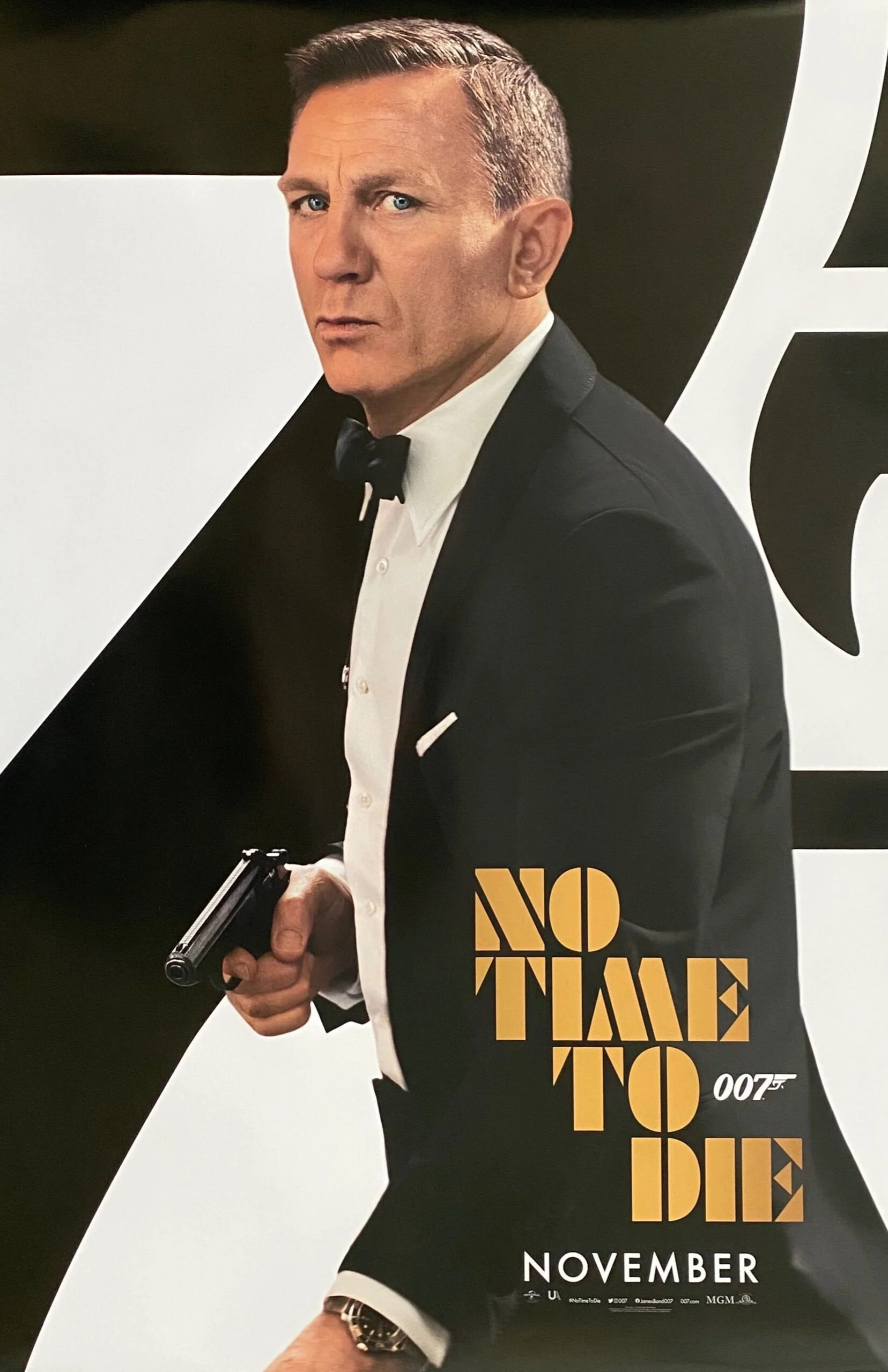
No Time to Die (2021)
Synopsis
Bond has given up his 00 number and retired from MI6, trading the spy life for a happily ever after with Madeleine Swann. But when his lingering trust issues lead to self-sabotage, he says no to happiness and yes to a freelance gig from old mate Felix Leiter. Watch as tragedy unfolds and nanobots threaten the world.
Particulars
Director: Cary Joji Fukunaga
Writer/s: Neal Purvis, Robert Wade, Cary Joji Fukunaga and Phoebe Waller-Bridge
Producers: Michael G. Wilson and Barbara Broccoli
Stars: Daniel Craig as James Bond, Léa Seydoux as Madeleine Swann, Rami Malek as Lyutsifer Safin, Christoph Waltz as Ernst Stavro Blofeld, Lashana Lynch as Nomi/007, Ben Whishaw as Q, Naomie Harris as Eve Moneypenny, Ralph Fiennes as Gareth Mallory, Jeffrey Wright as Felix Leiter, Billy Magnussen as Logan Ash, Ana de Armas as Paloma, David Dencik as Dr. Valdo Obruchev, Rory Kinnear as Bill Tanner and Lisa-Dorah Sonnet as Mathilde, daughter of James Bond
Budget: $250-$300 million
Shot: Norway, Jamaica, Italy, the Faroe Islands, the UK and Pinewood Studios
Inspired by: An original script and Daniel Craig’s longstanding death wish
Bye Bye Bond
Prior to this Bondathon, No Time to Die was the only Bond film that had ever made me cry. While this is no longer true (thanks to On Her Majesty’s Secret Service, the stunt in The Spy Who Loved Me and Mathis’ send off in Quantum of Solace), it did still succeed on second viewing.
Daniel Craig raised the idea of killing Bond as early as the Casino Royale premiere and I think it’s smart; rather than let himself become unpopular, age out of the role and be unceremoniously replaced, he’d cement himself as the only one that got a proper, final send off. It’d also ensure he’d never pull a Connery by coming back to the role in the future.
Aside from Bond dying and Ana de Armas being hilarious, I really didn’t remember much about the film. With it fresh in my mind, here’s what I like.
A formula-busting cold open
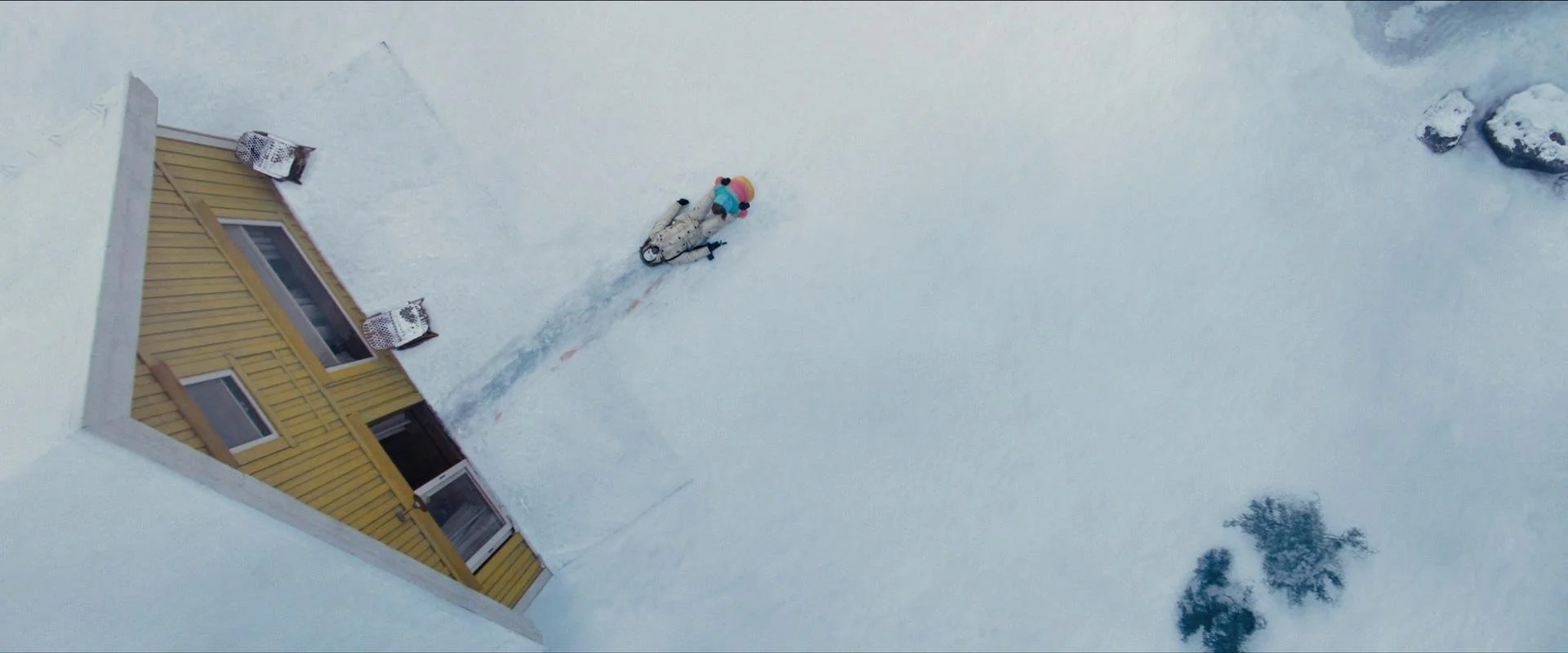
The Bond franchise is no stranger to a cold open but normally they involve Bond or the death of some rando that’s connected to the eventual villain. No Time to Die instead uses its cold open to do some character work on Madeleine Swann that is essential to the emotional payoff at the end of the film (and that I feel was missing in Spectre).
It’s a flashback to that story she told about a man coming to the house looking for her father (Mr. White) and necessitating her childhood use of a handgun. This scene tells us a lot about Madeleine; her Tamagotchi places her as a millennial, her boozer mother places her as someone who had to grow up without proper guardrails and her fall through the ice connects her with Bond in the close of Skyfall.
It’s one of the longest pre-credits scenes of the franchise but it achieves its goal of setting up the tragedy and making it hit a lot harder. Knowing Madeleine’s innocence and Bond’s slide back into distrust makes it one of the most brutal cinematic break ups I’ve seen. Léa Seydoux is absolutely wonderful and her facial expressions break my heart.
Bond’s trust issues
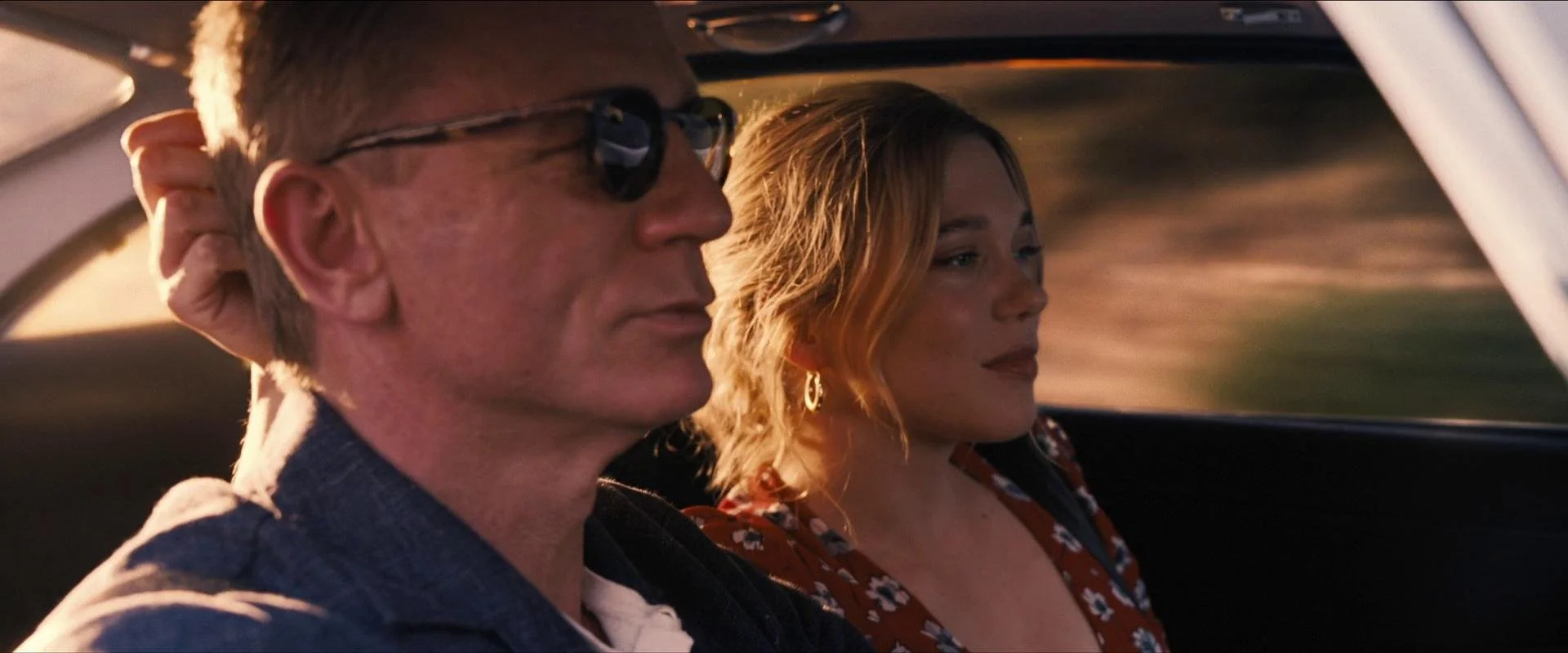
That SPECTRE’s goals include ruining Bond’s relationship is so mean yet so appropriate for Craig’s final film. There’s poetry in Bond’s past trauma causing him to sabotage his last chance at happiness and I love the message throughout the franchise that Bond is more likely to die than to have a functional relationship.
That he learns the folly of his distrust and manages to atone five years later — and that it only seems to strengthen their feelings toward each other — is nice character writing and testament to the strength of Craig’s and Seydoux’s performances. It elevates Bond and Madeleine to tragic lovers, and I think this is the correct lesson to learn from 25 films’ worth of this character.
The return of Louis Armstrong’s love theme
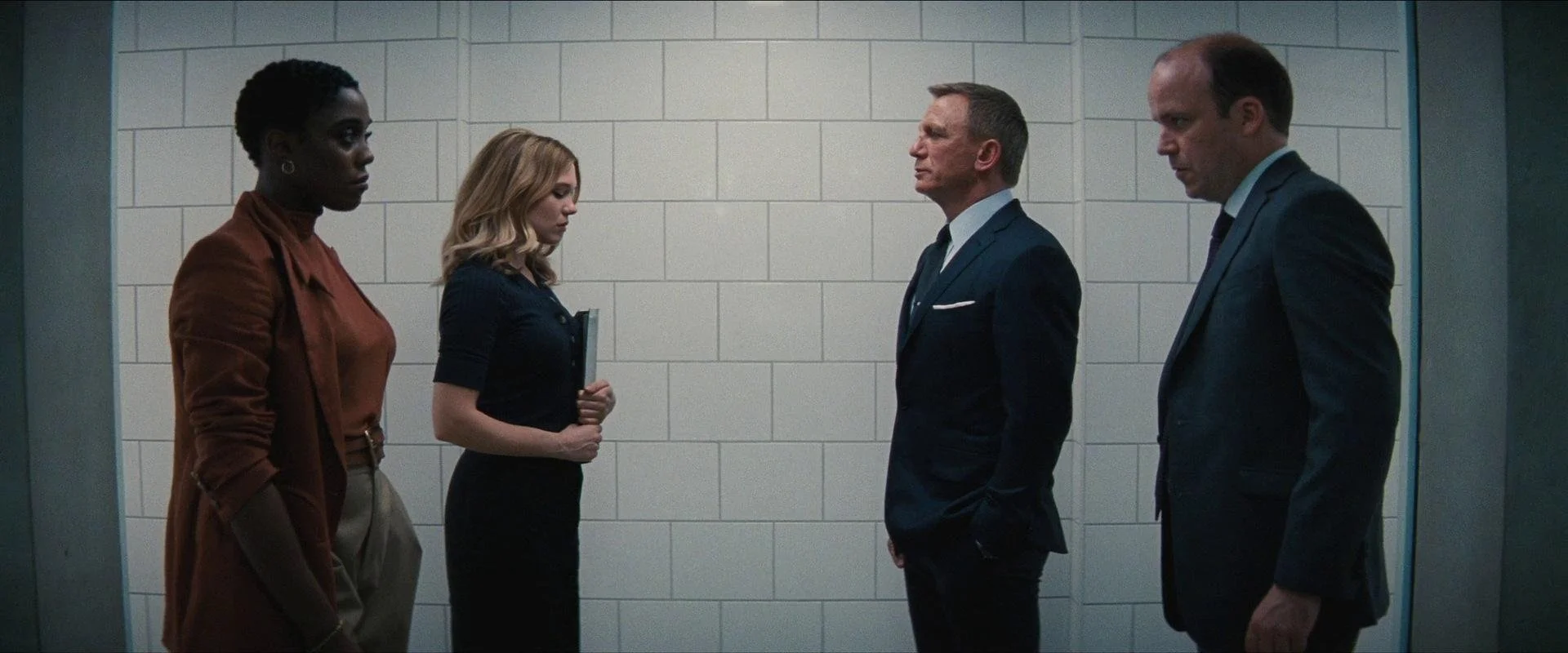
The choice to reuse ‘We Have All the Time in the World’ — and to have Bond explicitly say it, for the dum-dums in the back — allows No Time to Die another franchise throwback, while heightening the emotion and adding weight to the central relationship.
I also like how fanciful it is because they do not, in fact, have all the time in the world. Rather, they have a holiday cut short and a bittersweet reunion.
Phoebe Waller-Bridge and the women
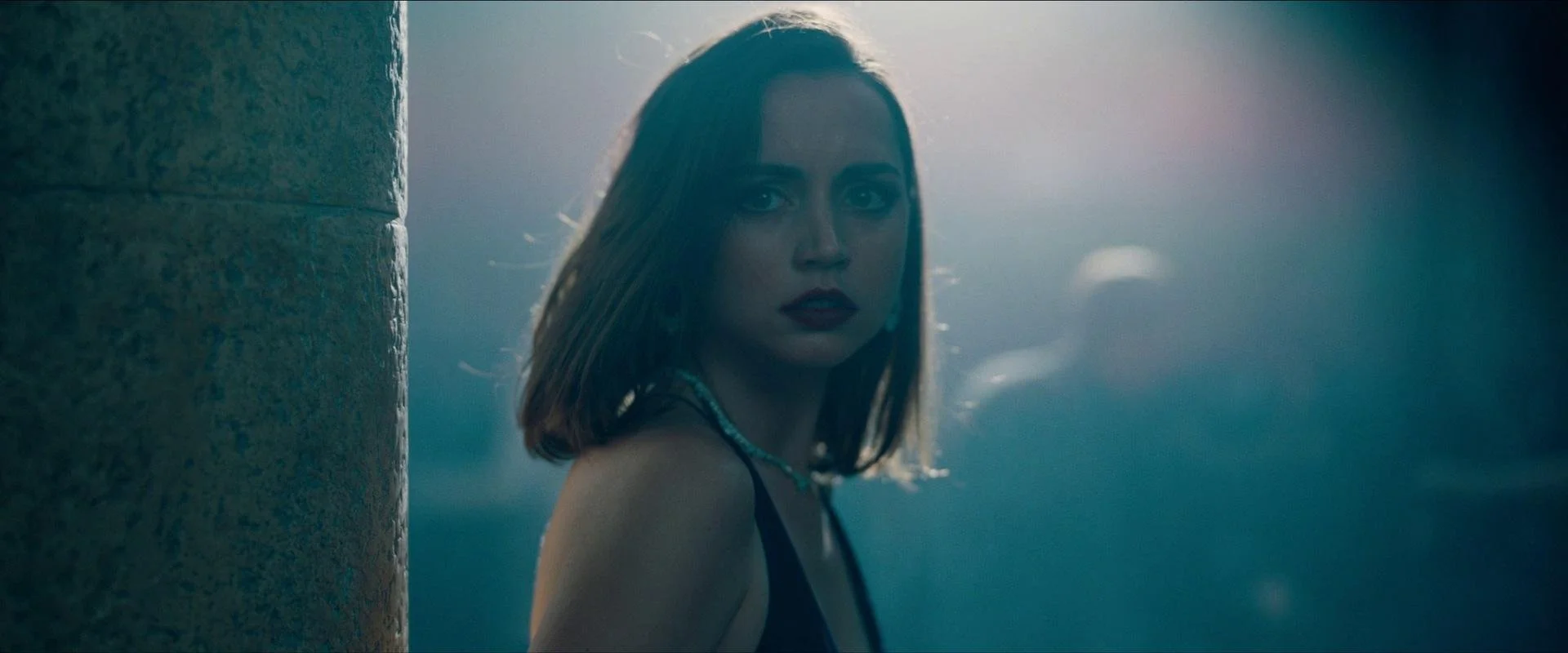
Daniel Craig requested that Phoebe Waller-Bridge do a script polish, making her only the second female screenwriter on a Bond film after Joanna Harwood back in the Connery era. Thanks to her we get Ana de Armas as the scene stealing Paloma, a role which no doubt helped her get Ballerina.
We also get Lashana Lynch’s Nomi/007 2.0, a character whose existence threatened a lot of men who could definitely do that job better than some rando chick despite not knowing how to do their own laundry or book their own appointments. Bond himself doesn’t care as much as you do. Christ!
The closing of a tome
No Time to Die has the job of closing out not just Craig’s era but kinda the entire franchise (given Bond dying and everything). As such, it must do a full retrospective. For the most part, I think it pulls it off.
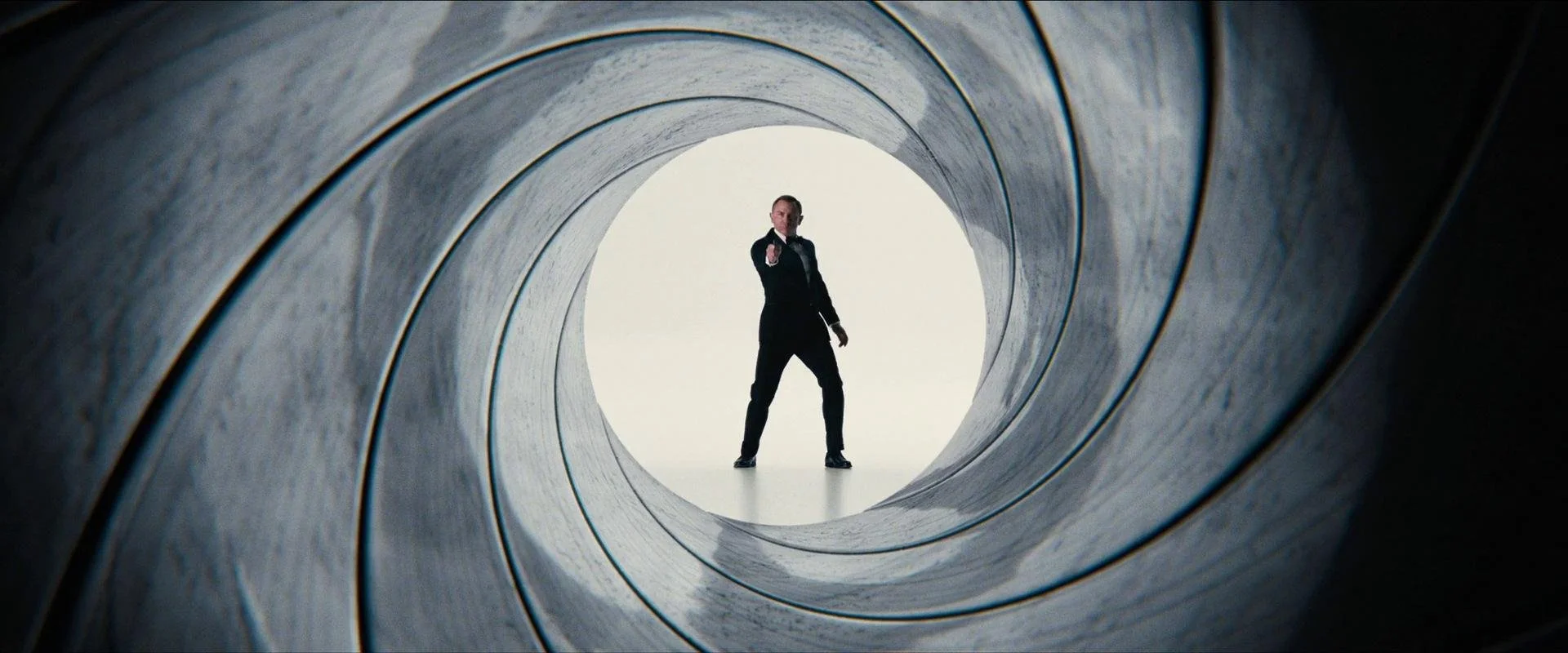
I enjoyed the Dr. No dot throwback in the title credits (overwhelming though they become) and the fact that Bond is living in the mangroves. I love that Bond does the gun barrel shot in real time, which is especially winky considering a stunt guy performed the early sequences.
I also love that M’s office is designed to look like the grown up version of Bernard Lee’s office from all those years ago. And on the subject, why don’t we see a Bernard Lee painting on the wall of Ms? Feels rude.
The tragedy of it all
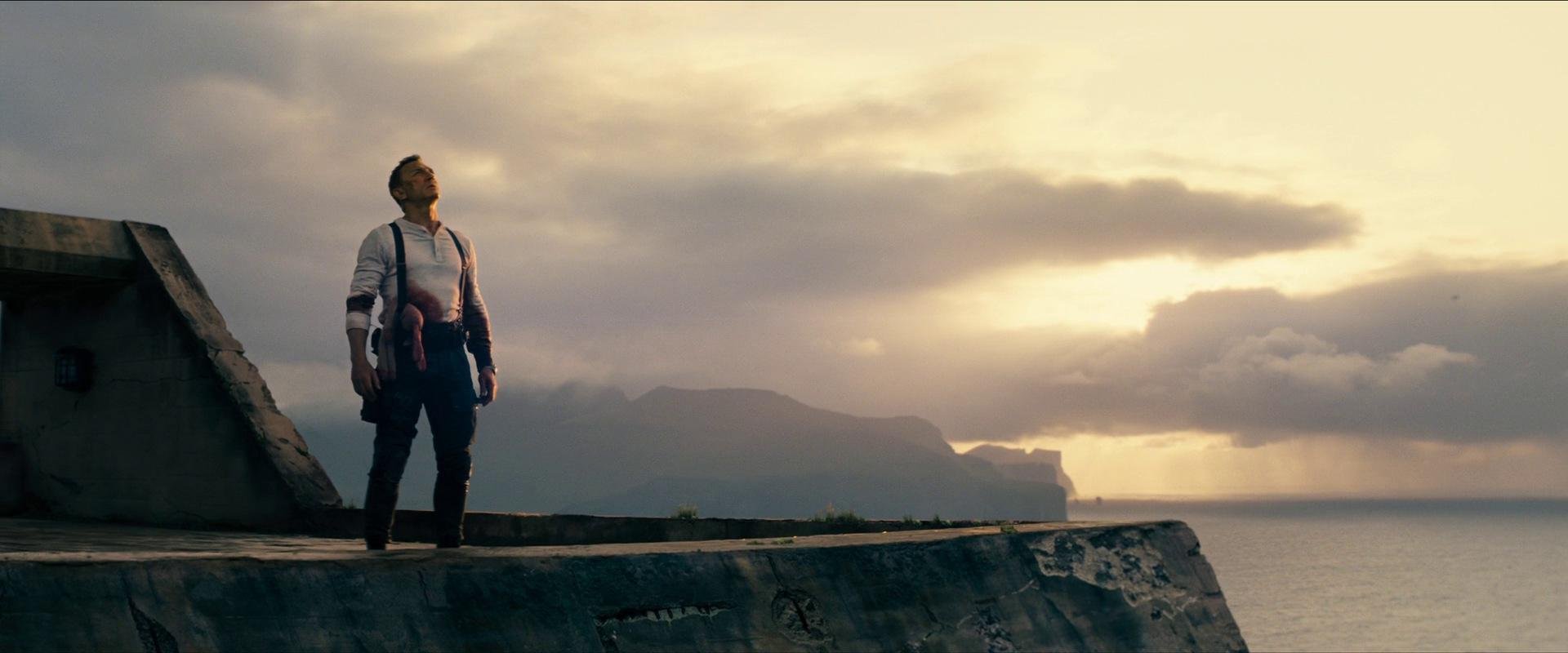
Some people were cranky that No Time to Die killed James Bond. Knowing what I know (from my now superior Bond knowledge), I think it’s the only way to close the book. And we have one man to thank for that: M.
That M essentially is indirectly at fault for Bond’s death is particularly poetic considering his predecessor went to great personal lengths to bail Bond out and ended up paying with her life. The previous M, with her world weary cynicism, would’ve known that a bioweapon like Heracles would never stay contained and yet this M, with his early career naivety, made a choice that takes out top operatives from both MI6 and the CIA.
That’s the bitter part. The sweet part is that it means Bond and his “brother from Langley” are probably in secret agent heaven together. It means he gets a bloodline — that thing men seem to be fucking obsessed with — through Mathilde without having to actually parent, which I can’t imagine Bond would be much good at anyway. And it means the fallout from his death plays across the MI6 gang’s faces, which to me is actually more heart wrenching than the last phone call between Bond and Madeleine.
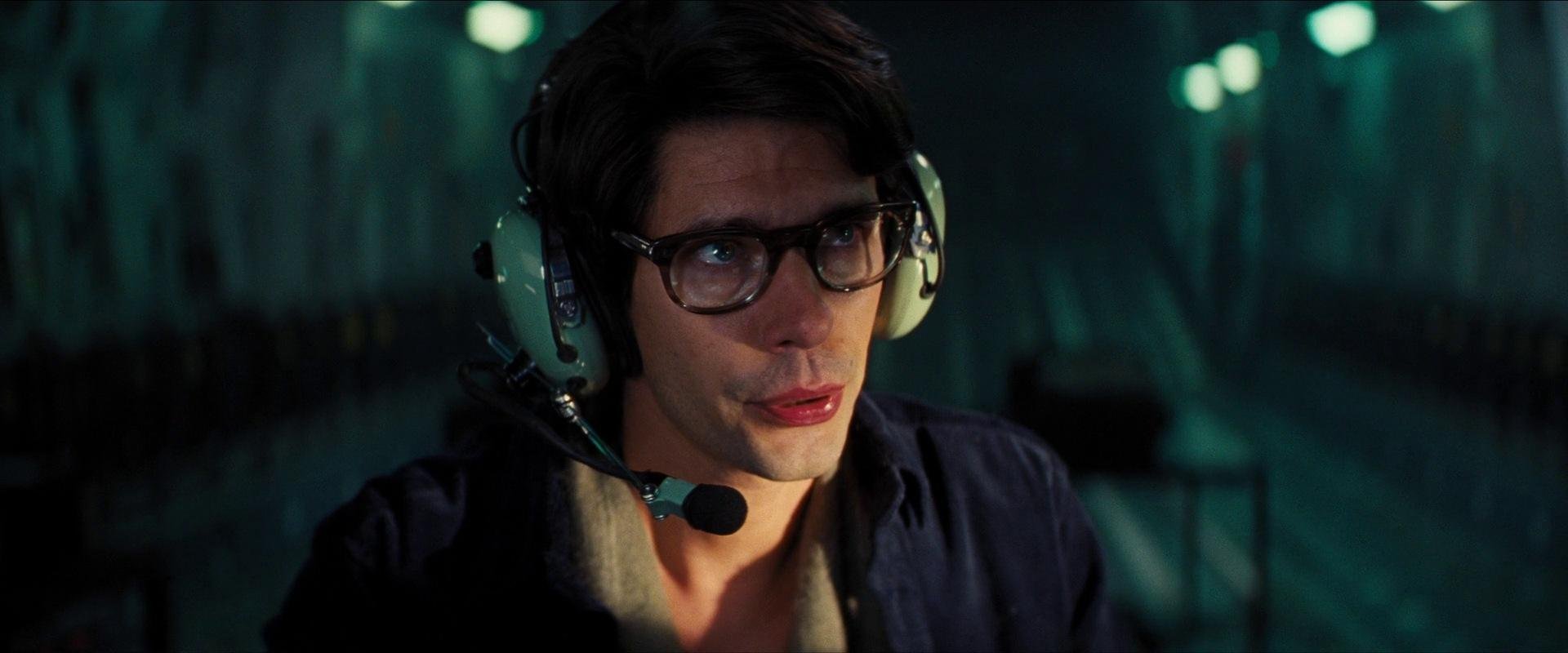
Seeing my beloved Q grieve in real time and feel unjustified guilt that maybe he could’ve done more to save Bond is moving. More moving still is the send off in M’s office, where the gang pour themselves a whisky to toast to their fallen comrade — and one for him, as well.
Finally, No Time to Die’s greatest poetic justice in killing Bond is in subverting the relationship pattern. In greater Bond canon, Bond has had two great loves and lost them both: Vesper Lynd, to suicide and Tracy, to a spite hit from Blofeld. Three would verge on femicide so it’s only right that this time, Bond is the one who dies and Madeleine gets to live on.
Now that all the mushy praise is out of the way, here’s what I don’t love about No Time to Die.
The underwhelming demise of Blofeld
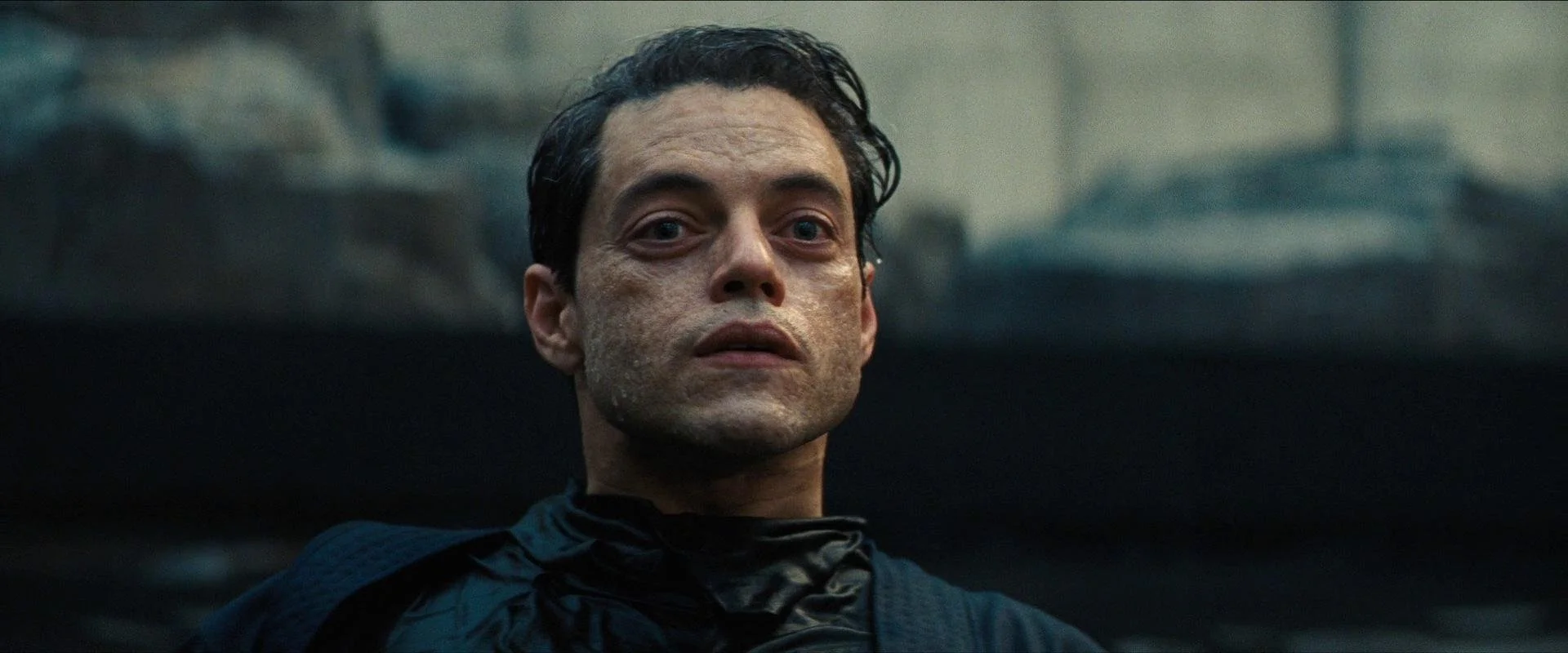
One of my main complaints about Spectre was what they did to Blofeld. No Time to Die says “we hear you” before ousting him in a most unceremonious way, but not before giving him the Hannibal Lecter treatment and one final outlandish plot point involving a hackable bionic eye (though considering Meta’s pervert glasses, maybe it’s not so outlandish after all.)
Rami Malek and his stupid, confusing villain
As mishandled as I think Blofeld is, I’d take him any day of the week over Rami Malek’s catastrophe of a villain. His name’s Lyutsifer Safin? Subtle. God knows what accent Malek is attempting (according to James Bond Wiki Safin is Russian) but it’s some sort of vaguely European, which makes his Noh masks, costumes and poison garden feel more than a bit strange. I assumed it was meant to be a nod to Dr. No (a Reddit theory even suggests that Safin was initially planned to be Dr. No but changed due to backlash over Blofeld) but at least Dr. No was explained to be part Chinese, even if the actor who portrayed him was not.
Considering the poorly aged elements of You Only Live Twice I thought the franchise would leave its ‘appreciation’ of Japan in the past. Perhaps not.

Craig’s most apocalyptic Bond
I suppose it’s too much to ask to go a whole Bond era without descending into apocalyptic chaos as it turns out even Craig’s Bond isn’t immune to the theatrics. No Time to Die gives him the highest stakes he’s ever contended with; where previously he’s had to uncover terrorism financiers, expose a Chinatown plot and help his boss deal with a disgruntled former employee, now he’s dealing with bioweapons that threaten the world, supervillain lairs and pools of acid.
It should be no secret at this point that the big histrionic Bond plots are not my favourite. I understand the need for variety and that every era must have its Moonraker, and while No Time to Die manages to mostly stay above the gulleys of previous Bond eras, its four writers perhaps prove the ‘too many chefs’ adage.
Outside of the Bond relationship stuff, the actual plot is pretty nonsensical and hard to follow. There’s a Danish guy doing a camp Russian accent (he sounds like Bobinsky from Coraline) who’s actually a triple agent, the nanobots are back and their logic is baffling and I genuinely don’t understand Safin’s motivations. I don’t think he does, either.
At one point Fukunaga wanted the first two-thirds of the film to take place inside Bond’s head as he’s being tortured by Blofeld and while that may have gone down REALLY poorly for a send-off to an era and a franchise, it may have actually been more cohesive.
When all is said and done, despite its flaws and considering it had a pretty impossible job to pull off, I think No Time to Die accomplishes its mission with grace. It satisfyingly wraps up both an era and a franchise, sends off arguably the best Bond we’ve ever had and scrubs the slate enough that Denis and co can pretty much do whatever they want. I would not be mad at all if Ben Whishaw, Naomie Harris and Ralph Fiennes returned in their roles, though; after all, it’s what Desmond Llewelyn, Lois Maxwell and everyone who’s played M would do.
RANKING CATEGORIES (70%)
Bond execution = 9
Villain = 3
Bond girl(s) = 9
Song = 7
Opening titles = 6
Plot/action/gadgets = 6
Franchise identity = 9
PERSONAL ENJOYMENT (30%)
7/10