There are three types of people who rushedly bought tickets to You Can See Everything. Type 1 are longtime Fielder freaks (like me) who’ve been patiently gagging for his next project after the magnum opus that was The Rehearsal Season Two.
Type 2 are the Holmes heads who’ve been obsessively following the convicted fraudster and Theranos CEO, officially through Hulu’s The Dropout, ABC’s podcast of the same name (on which the miniseries was based) and John Carreyrou’s book Bad Blood: Secrets and Lies in a Silicon Valley Startup.
Types 1 and 2 are obsessives who enjoy the screen company of weirdos and are very likely weirdos themselves. As a Type 1 I’ve converted people in my life to Fielder’s ripe-for-psychoanalysis antics and similarly, have been converted by Type 2s to Holmes’ via some of the aforementioned texts.
And then there’s Type 3, who I imagine are just people who’d heard the buzz, seen the trailer and wanted to watch the year’s most talked about film.
Having finally watched You Can See Everything after successfully avoiding spoilers from the rest of the world who got to see it last month, I can say that it is basically tailor made for obsessives, and so I cannot imagine how type 3 digested it without the enzymes built from prior exposure to Fielder or Holmes.
The film’s unanimous acclaim suggests that access to every single one of its layers is not a prerequisite for loving it. But while I would normally say that doing as little research as possible is the best way to consume a film, this one is a rare instance where being deep in the rabbit hole hugely enriches the experience.
So yes, you can see everything. But will you?
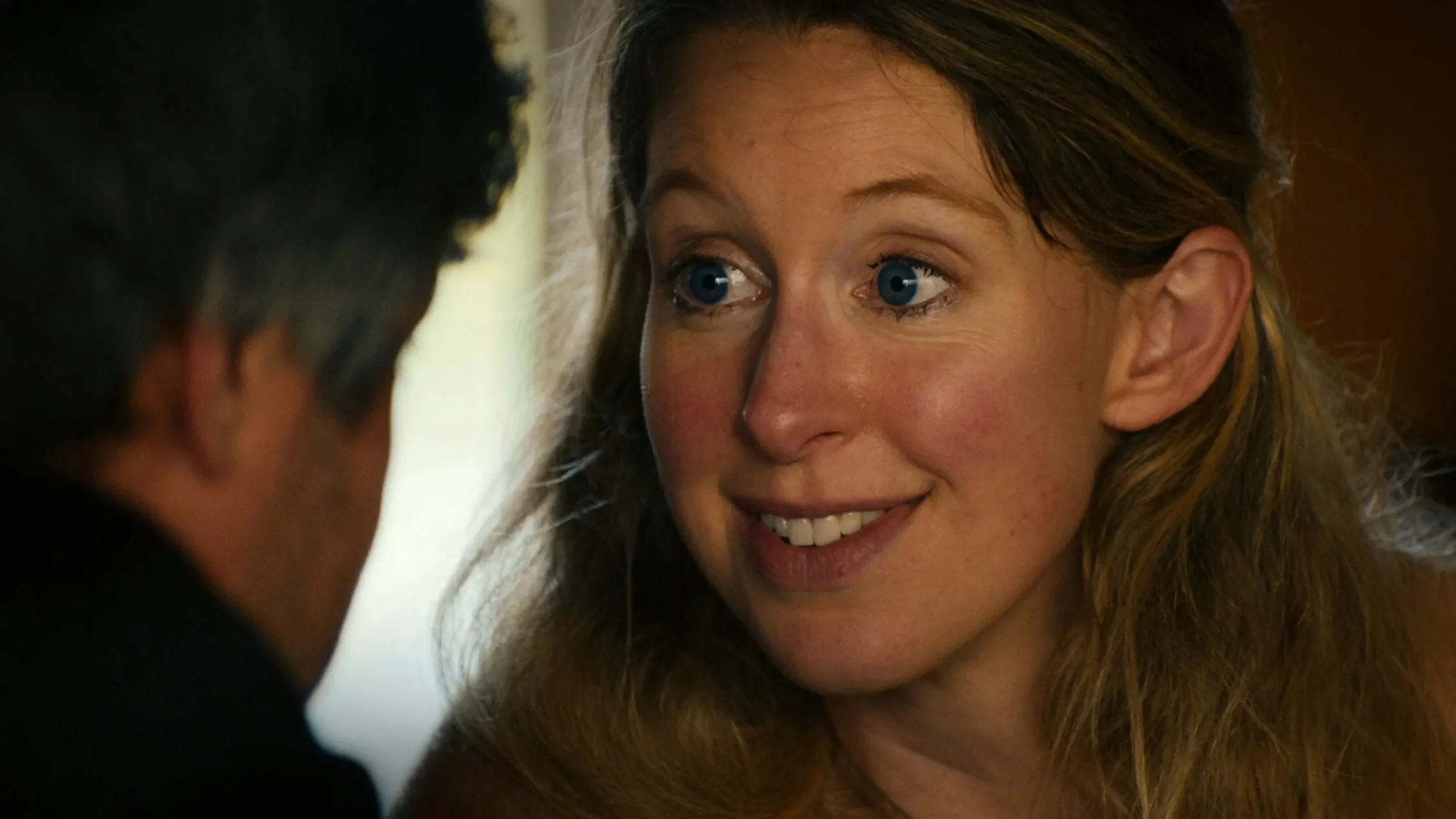
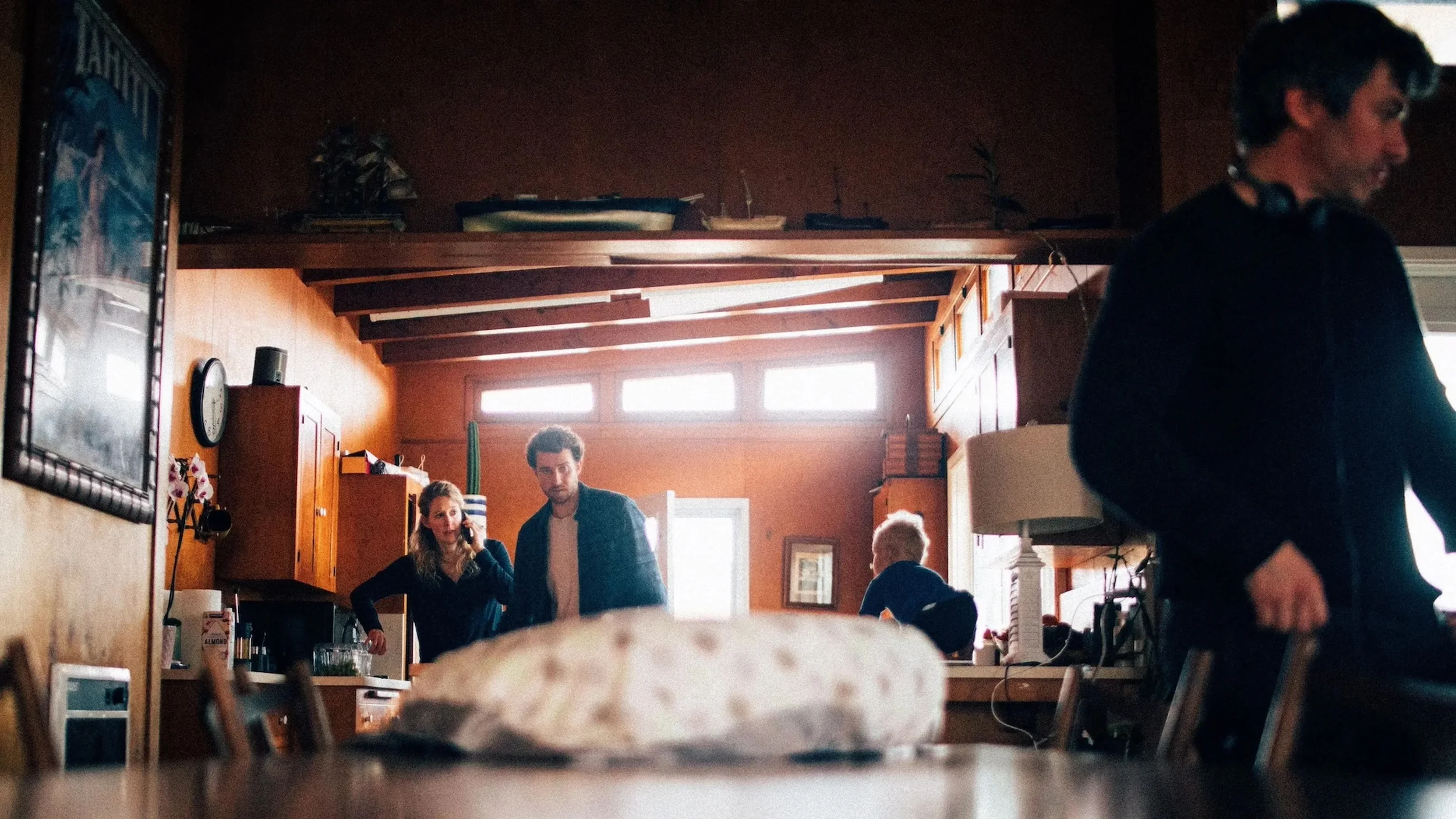
The first half of the film, as promised by the trailer, sees co-directors Nathan Fielder and Lance Oppenheim entering the rented Del Mar beach cottage of Elizabeth Holmes, her partner Billy Evans and their children 34 days before Holmes starts her 11 year sentence in Texas’ Federal Prison Camp, Bryan. Unbelievably (for anyone who’s never defrauded investors before), the pair are working on Theranos 2.0 and are courting potential investors. Fielder, Oppenheim and co have been granted supposedly full access inside the family’s digs and lives but still suspect Holmes and Evans aren’t being as “radically transparent” as they claimed they’d be.
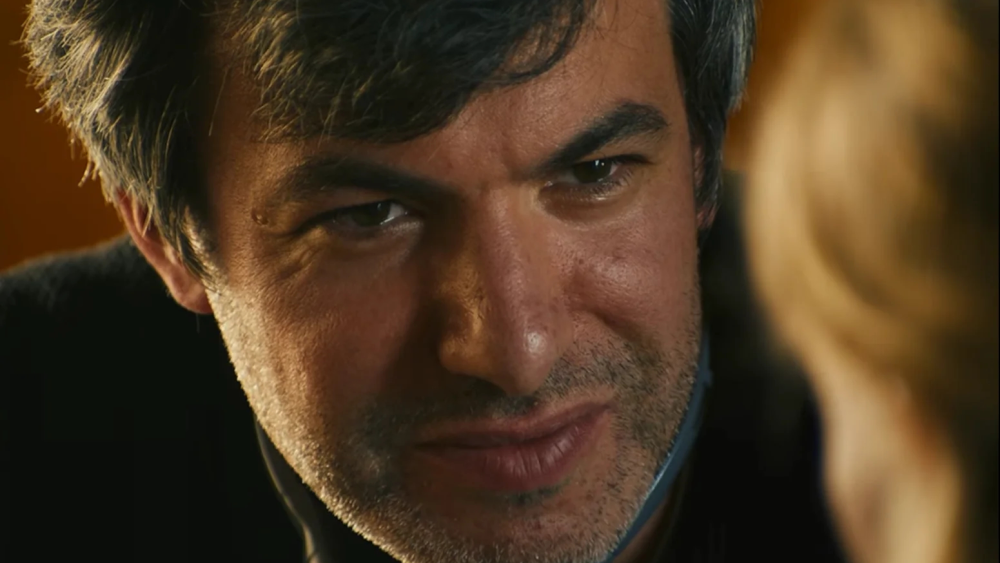
Nathan Fielder is as far from his heightened character here as we’ve ever seen him but that doesn’t mean he doesn’t still stick his face real close to his subjects, ask probing questions with a deadpan expression and look generally awkward in his surroundings.
But while Billy Evans might not gel with Fielder’s style, game recognise game and Holmes, who is as solid a weirdo as they come, senses in Fielder a curiosity and out of the box brain that she can work with. Throughout his time in the Holmes-Evans beachside residence Fielder witnesses some troubling signs of possible manipulation. It’s just not clear who is being manipulated.
The thing that’s so brilliant about You Can See Everything is that its trailer only portrays scenes from this first act, at the end of which, Holmes goes to prison and you realise there’s still an hour and a half of the movie left. Then there’s a second act switch up that takes things to eleven and for this reason, I won’t even fucking touch it in this review.
What I will say is that there are incredible casting surprises, constantly evolving theories over who’s playing who, a wild lesson in semantics that may provide clues to Holmes’ insistence of innocence, a deeply uncomfortable scene involving Abbott and Costello’s most famous comedy bit, a penis jump scare and the possibility that Fielder and Oppenheim may have caught a much bigger fish than the one they set out to catch.
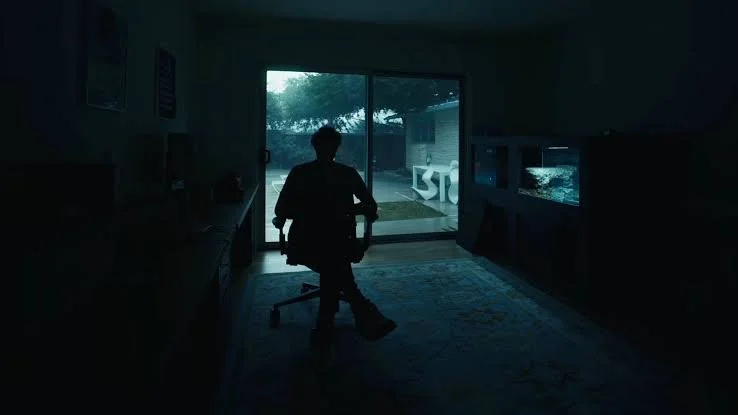
The film is technically a documentary with docudrama stretches but it’s shot like Primetime (Oppenheim’s debut feature film, also from this year) with boxy, intense close ups and an unreliable, memory-like quality that places us in Fielder’s point of view some of the time and Holmes’ in others. Ari Balouzian’s score is like a creepy, inverted version of something Trent Reznor and Atticus Ross might create.
The background to this film is almost as interesting as the film itself. Fielder wonders why Holmes wanted to hire him considering she was barely familiar with his work (beyond Evans showing her the grandson’s pee clip from Nathan For You). But when you consider that the whole thing hinges on one unsubstantiated quote that Holmes can’t get over from a New York Times piece – “they’re not playing me, they’re playing a character I created” – it becomes clear that Fielder, who has played a characterised version of himself in all his previous work, is accidentally the perfect person for the job. Or maybe Holmes and Evans are lying and they knew exactly what he would bring to the piece. I still don’t know.
What I do know is that Holmes is no dummy when it comes to hiring people (specifically men) with clout to capture her. Errol Morris fell for her charms, after all. And at one point in the film it seems like Fielder may be falling for them, too. Oppenheim keeps his talents behind the camera most of the time but Fielder, as always, ultimately becomes the subject of the film, his insecurities on full display in a way I find so admirable and oddly healthy.
In terms of gonzo filmmaking, tangential storytelling and the Fielder-style exploration of simulacrum, simulation and reality, this is as good as cinema gets. My mouth was dry from being open for pretty much the entirety of the film’s almost 3-hour runtime, yet the minutes flew by and I hadn’t the desire to sit back normally in my seat.
It also made me more aware of Holmes’ humanity and fragility and for a good chunk there, I started to come around to the idea that she might actually be an innocent weirdo who just thinks differently and had become a victim of manipulation and control in not one but two relationships. After all, it is rough that a mother of two young kids has to be separated from them when she’s maintaining that she’s innocent. If there’s even the slightest chance she could be telling the truth, wouldn’t that be so juicy?
By the end of You Can See Everything I’d reverted to my original theory: that she has a failure kink, mummy issues and not a care in the world about handing over her image and voice to be used by other parties because it’s not the big picture.
She’s in love with and has chosen to procreate with a man who is just the absolute worst – a Mormon tech bro wannabe who listens to microbiology podcasts on 2x speed, is a fan of Charlie Kirk and has perpetual nose tickles and wide eyes à la Jax Taylor from Vanderpump Rules (if Jax Taylor were intelligent enough to be truly threatening). Holmes has made her bed and she seems to find it comfy enough. Frustrating, but we must support women’s (legal) wrongs.
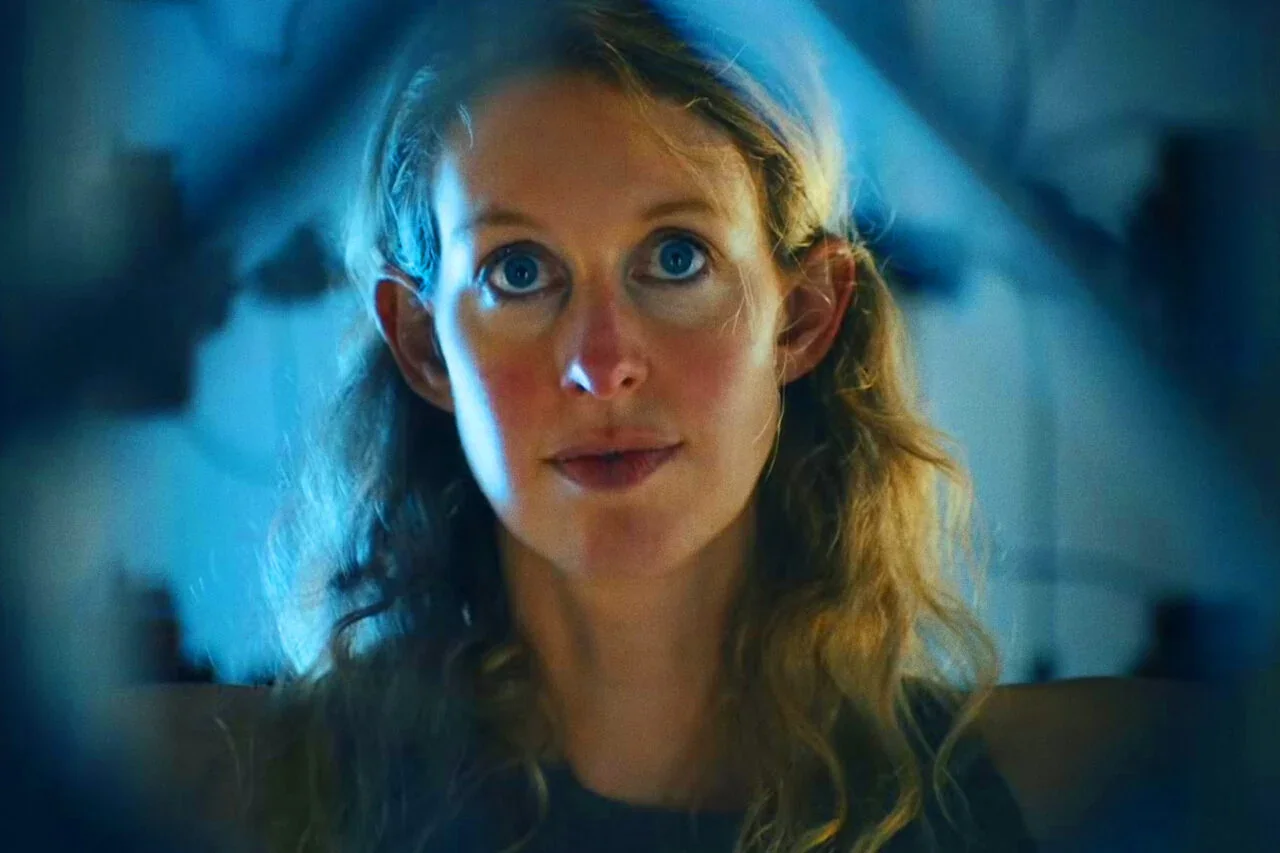
You Can See Everything is truly a remarkable achievement. It’s hysterically funny, perplexing, scary and if I hadn’t already seen Nathan Fielder pull off impossible feats, I’d find it unbelievable. Fielder says that he still doesn’t really understand what he went through during the production of this film and that he’s hoping its wider release will shed some light as more eyes dissect everything in frame. As an obsessive, I can’t wait to share notes with friends and overanalyse every aspect of this film and its subjects; to discover contrasting theories and to trace Billy Evans’ online presence out of wonder and disgust.
It boggles the mind that Fielder was doing this while also becoming a 737 pilot and performing the Miracle over the Mojave but the man never ceases to amaze me. I say without a hint of hyperbole that his contributions to human psychology are as important as those of Freud and Jung and the Real Housewives franchise. And speaking of…
My single, unserious complaint is that we don’t get to see Fielder interview Jen Shah, Holmes’ prison bestie and disgraced Real Housewives of Salt Lake City alum who was convicted of something arguably worse than the Theranos girlboss (Shah targeted poor old people, Holmes targeted rich old people). It would’ve been a nice extra layer for the small Venn diagram of obsessives who love Bravo and Nathan Fielder, but you can’t have it all.